Is this plant safe for your pet?
Veterinary-sourced toxicity data for dogs and cats. Search any plant for symptoms, treatment, and safe alternatives.

Monstera Deliciosa

Snake Plant

Pothos

Fiddle Leaf Fig

Peace Lily

Orchid
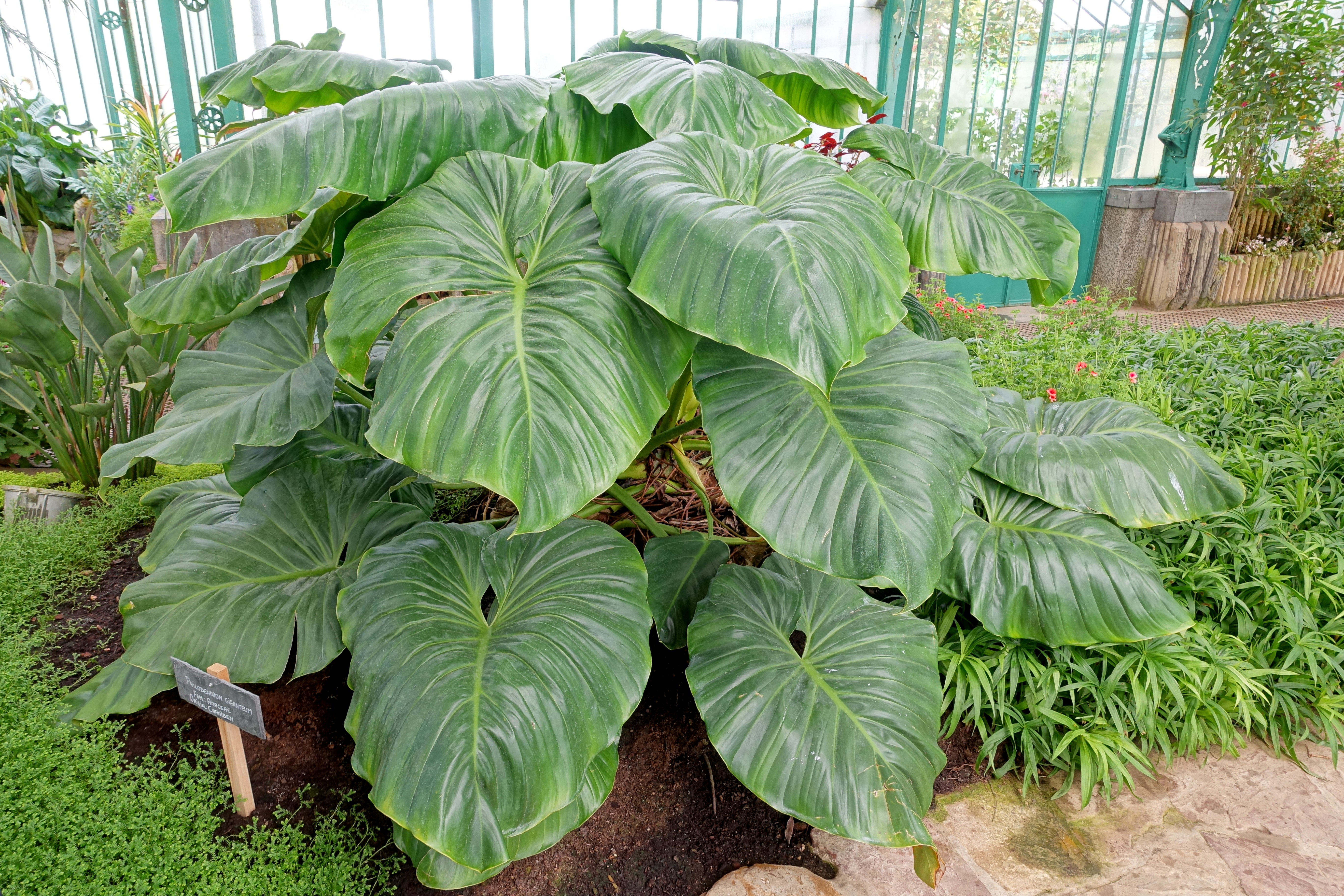
Philodendron
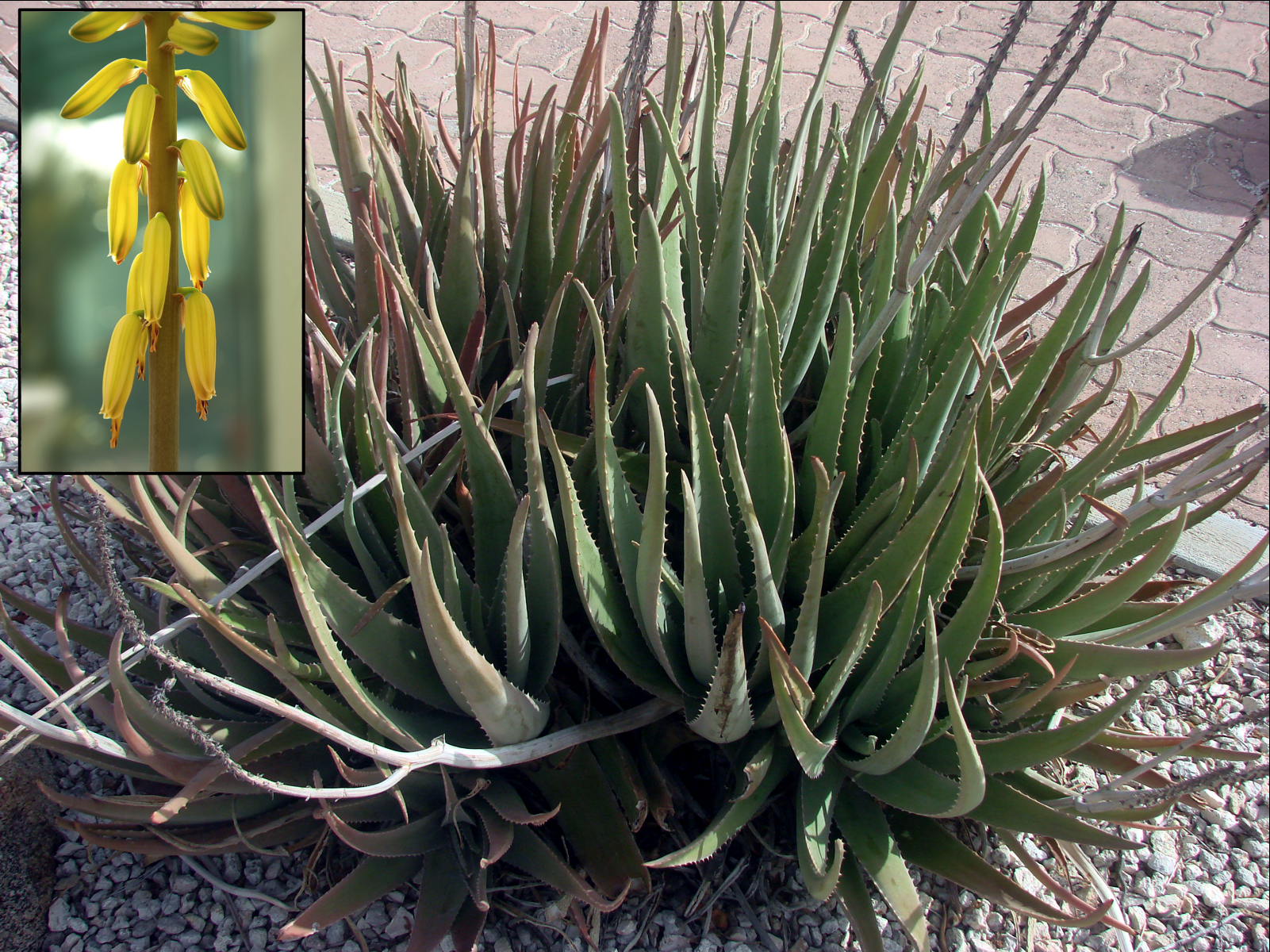
Aloe Vera

Spider Plant

ZZ Plant
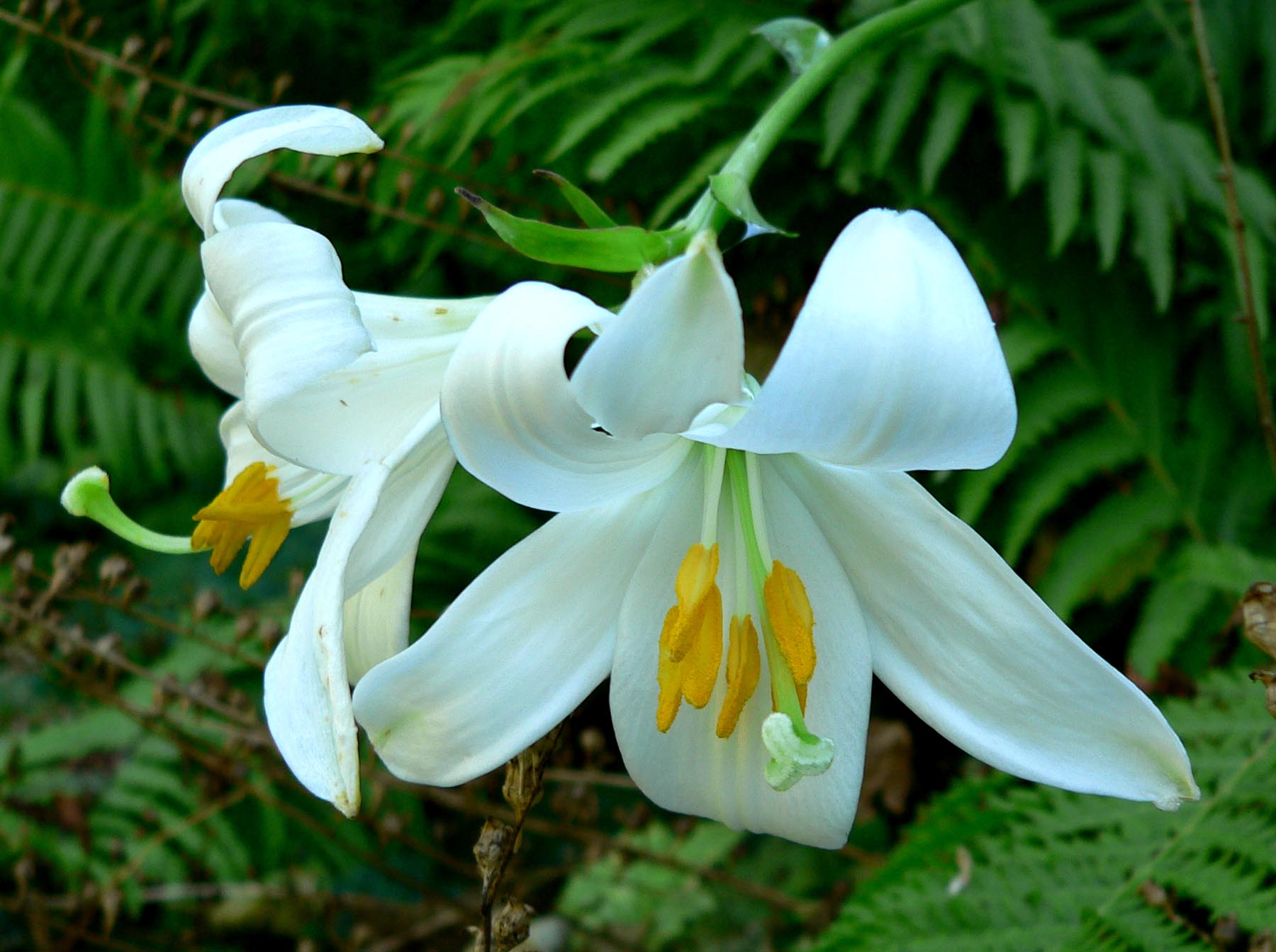
True Lily

Money Tree

Rose

Monstera Adansonii

Catnip
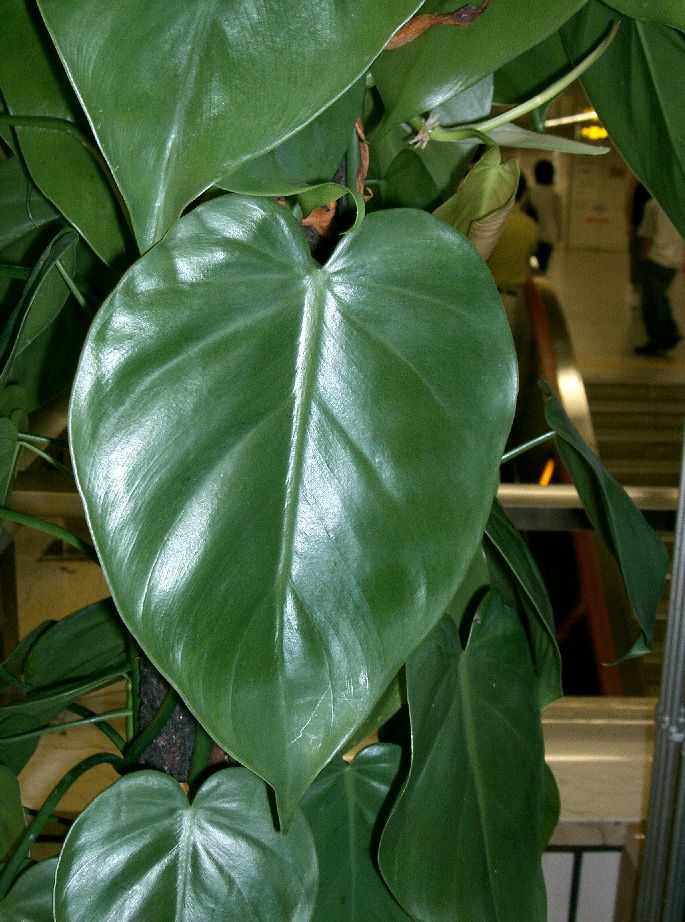
Heartleaf Philodendron

Calathea

Rubber Plant

Tulip

Bird of Paradise

Areca Palm

Chinese Money Plant

Avocado

Philodendron Pink Princess

Peperomia

Jade Plant

Daffodil

Corn Plant
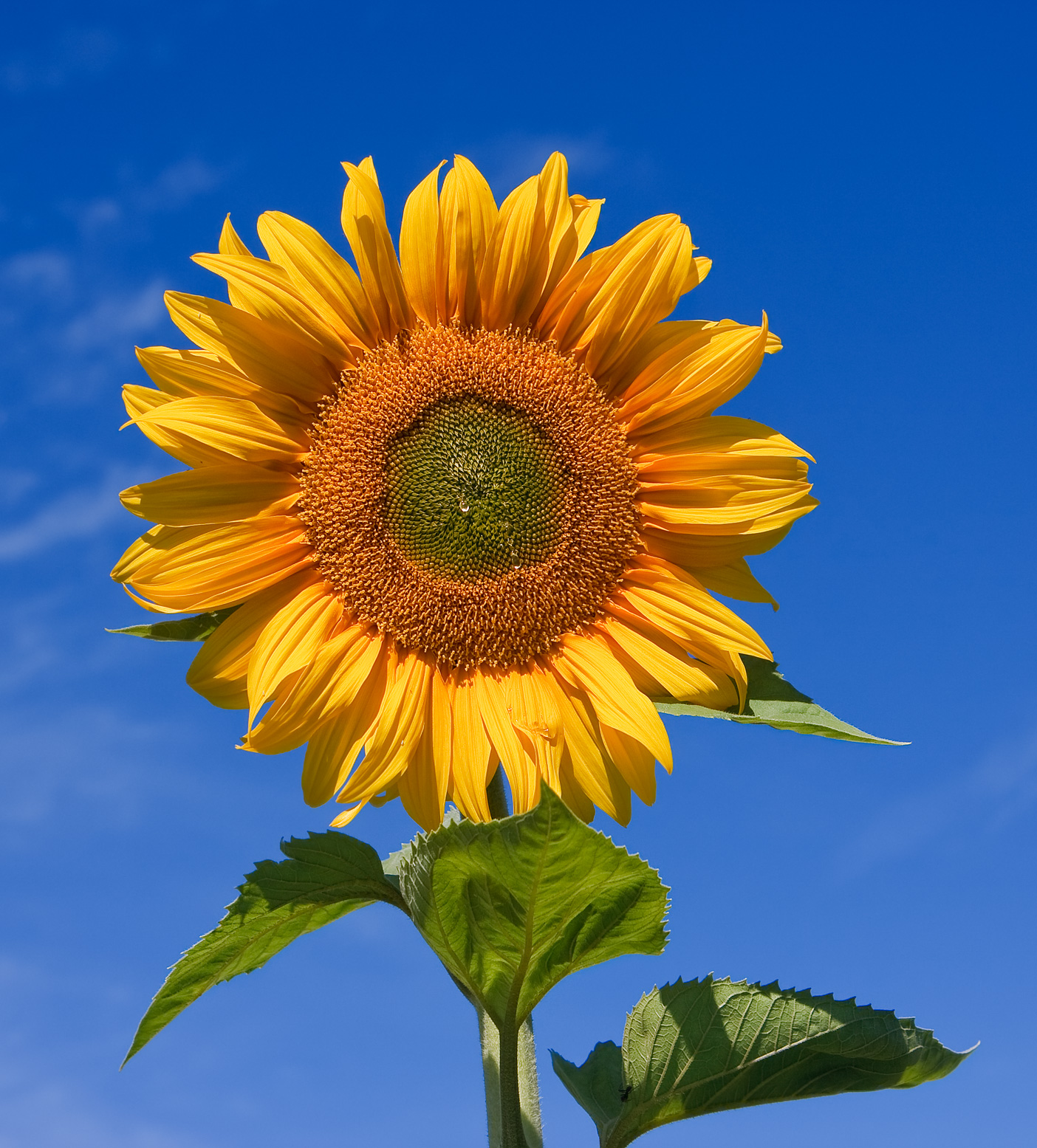
Sunflower
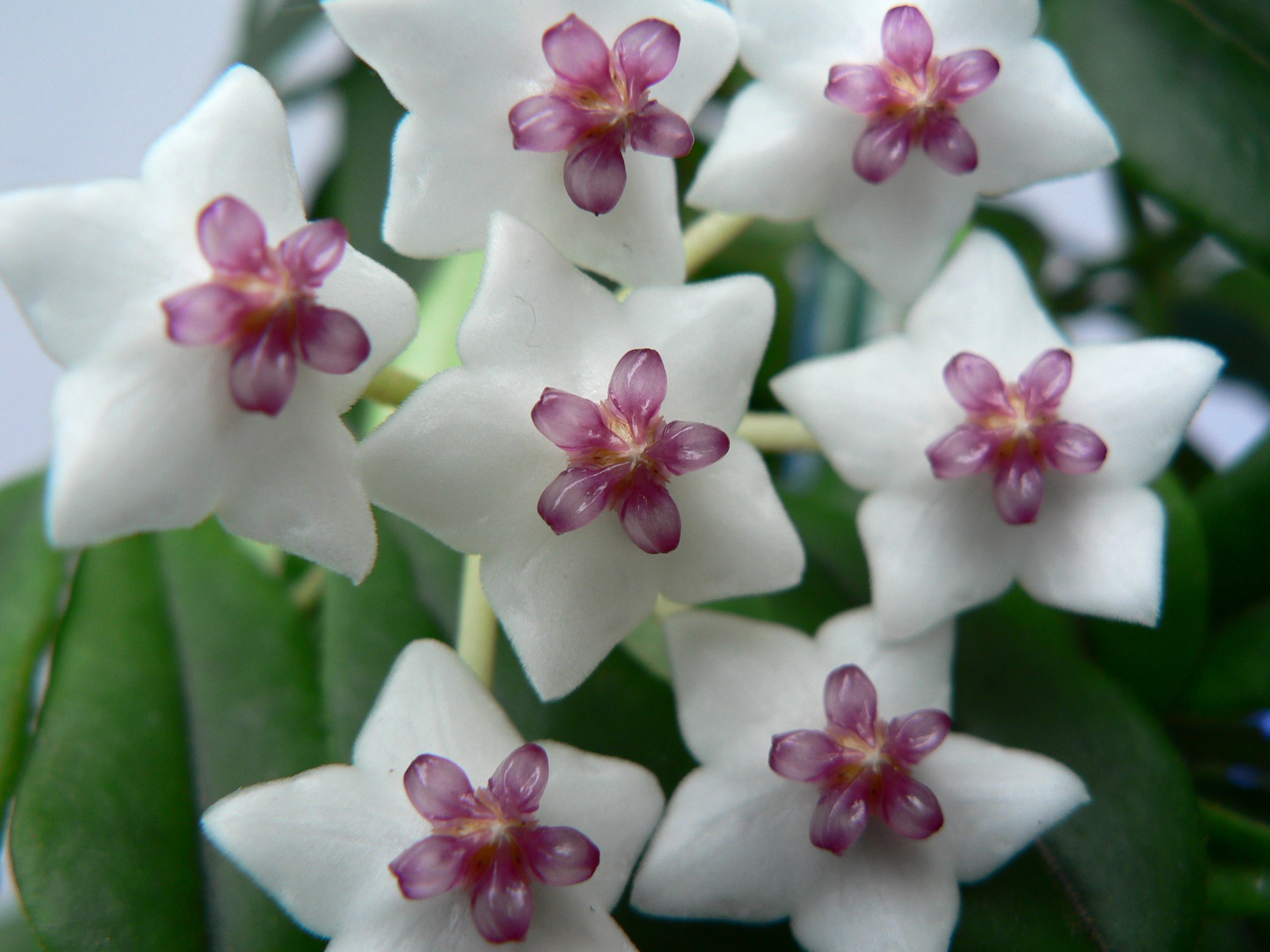
Hoya
Philodendron Birkin

Cat Grass

Boston Fern

Dragon Tree
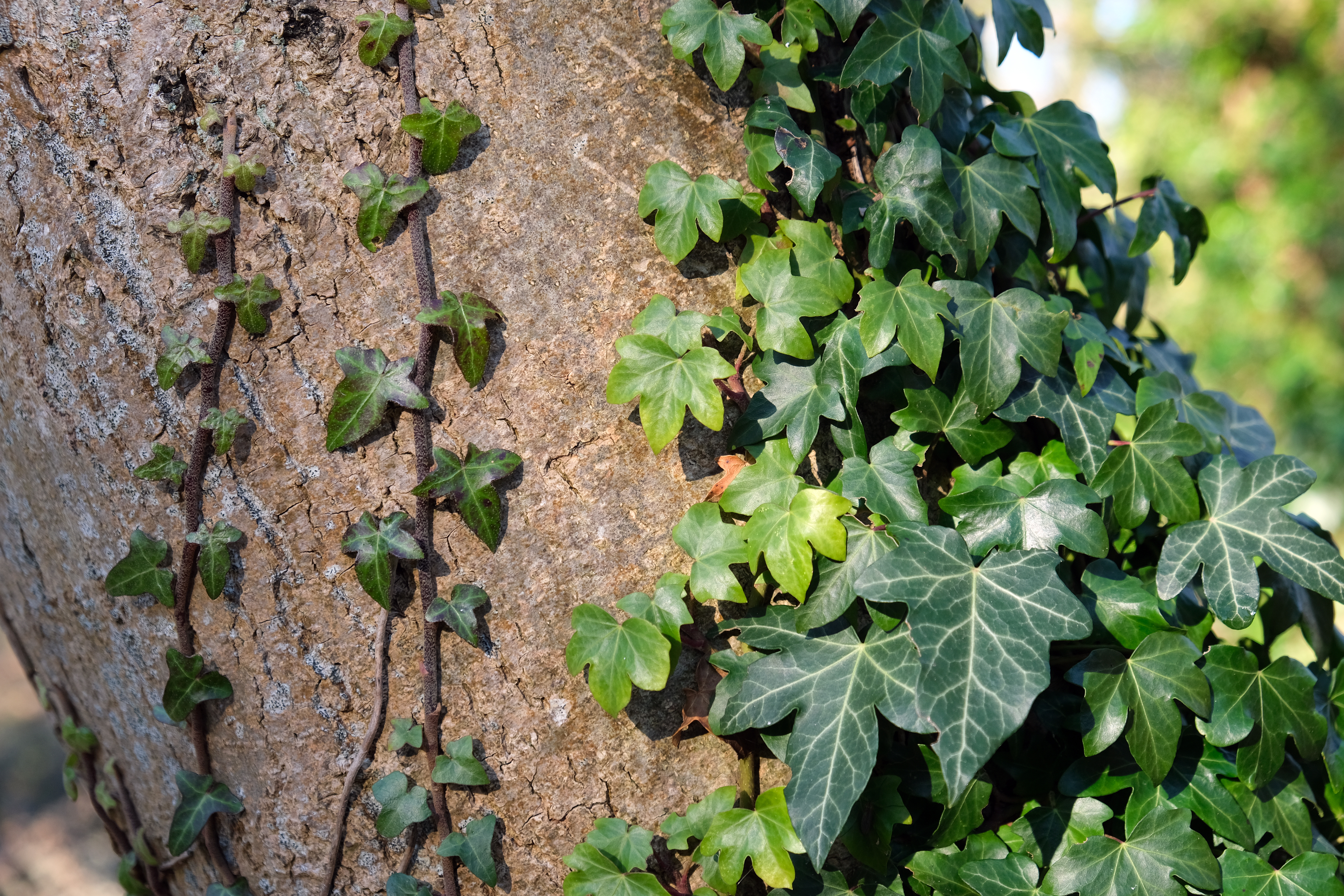
English Ivy

Poinsettia

Echeveria

Anthurium
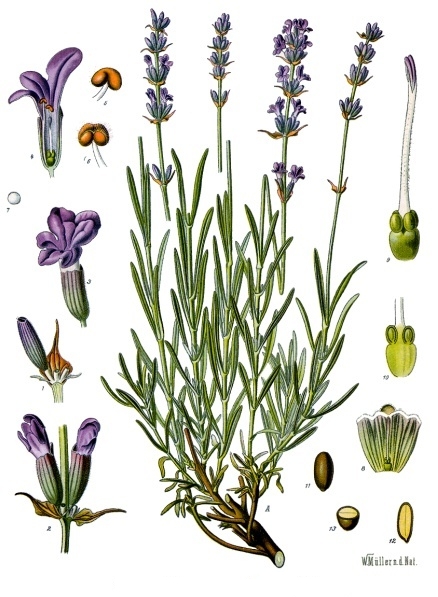
Lavender

Weeping Fig

Alocasia

Peperomia Watermelon

Arrowhead Plant
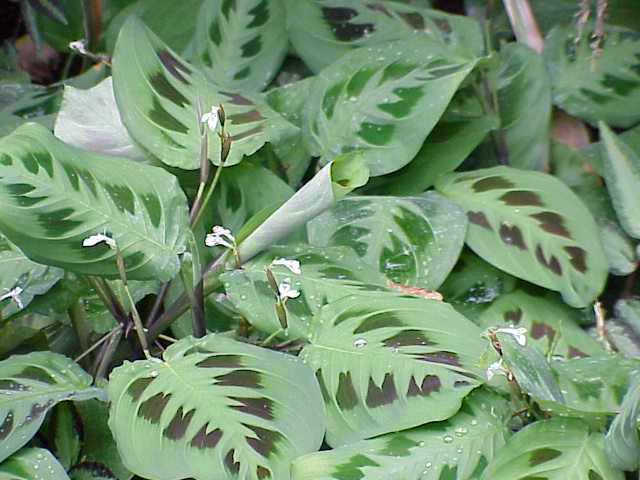
Prayer Plant

Hydrangea

String of Hearts

Parlor Palm

Chrysanthemum
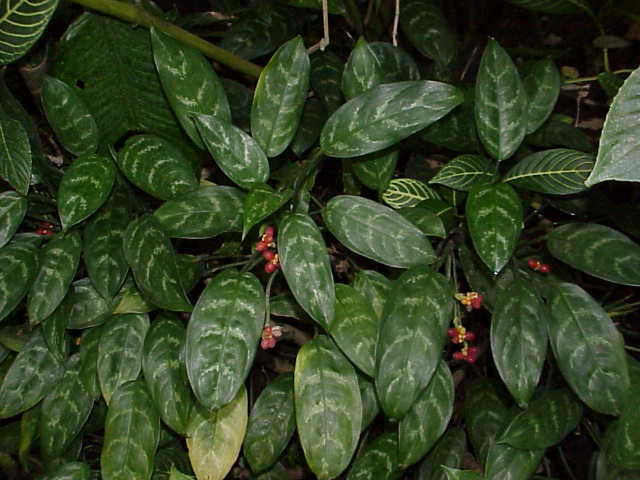
Chinese Evergreen

Petunia

Calathea Medallion

Satin Pothos

Calathea Zebrina
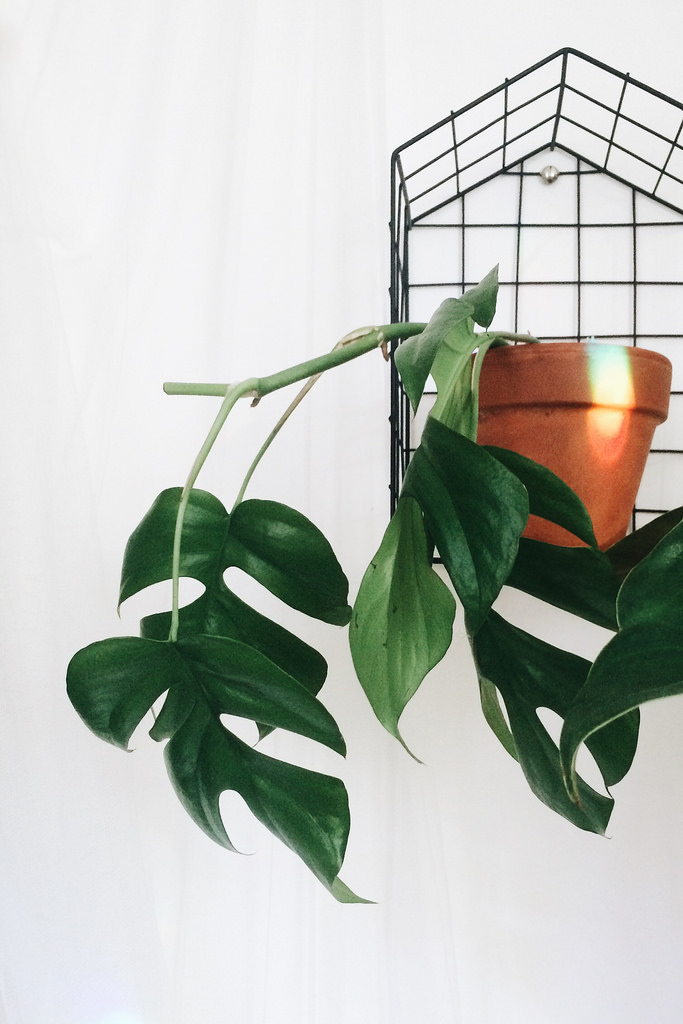
Mini Monstera

Azalea

Schefflera

Marigold

String of Pearls

Daylily
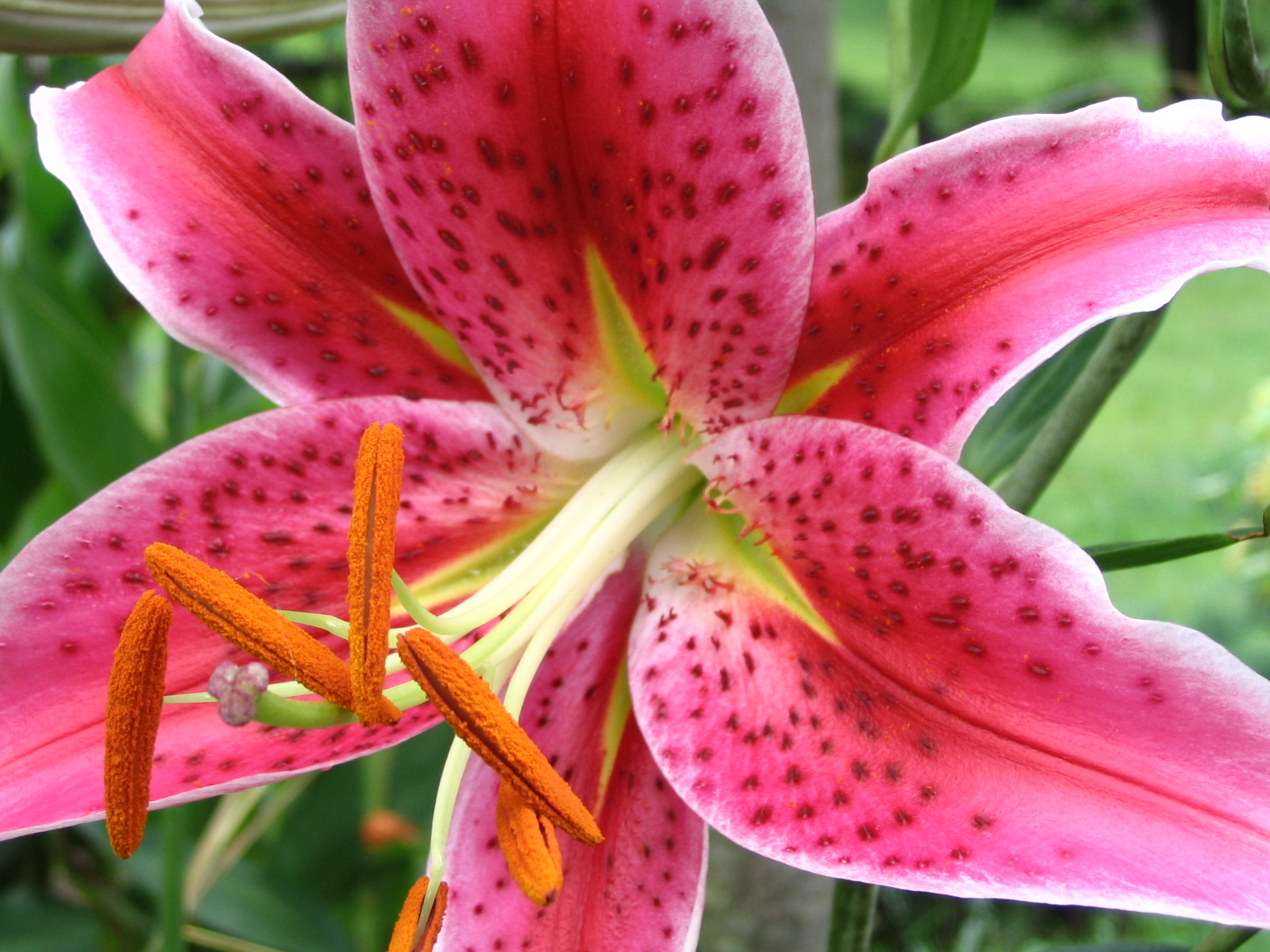
Stargazer Lily

Christmas Cactus

Caladium

Begonia

Ponytail Palm

Air Plant

Lucky Bamboo
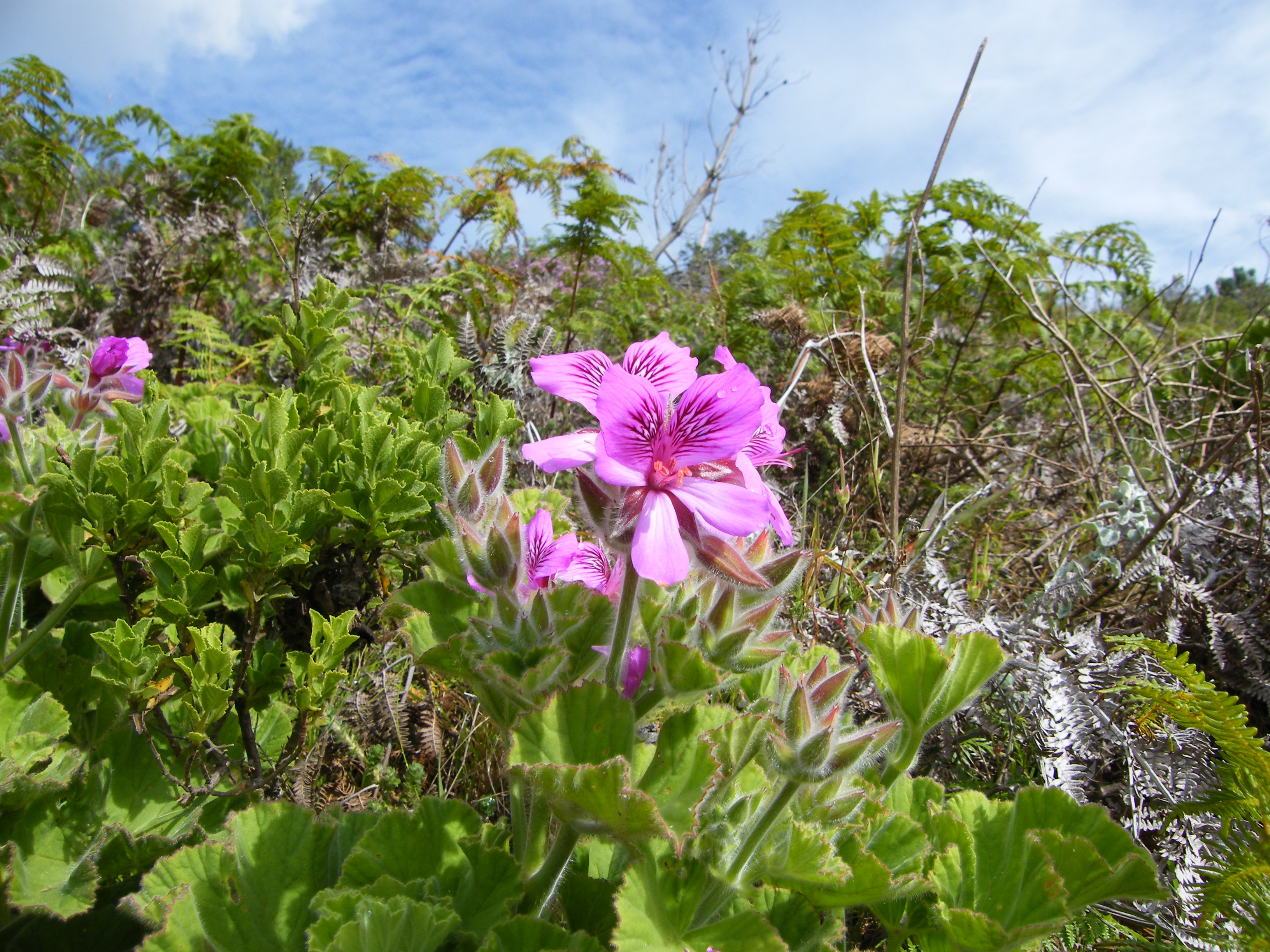
Geranium
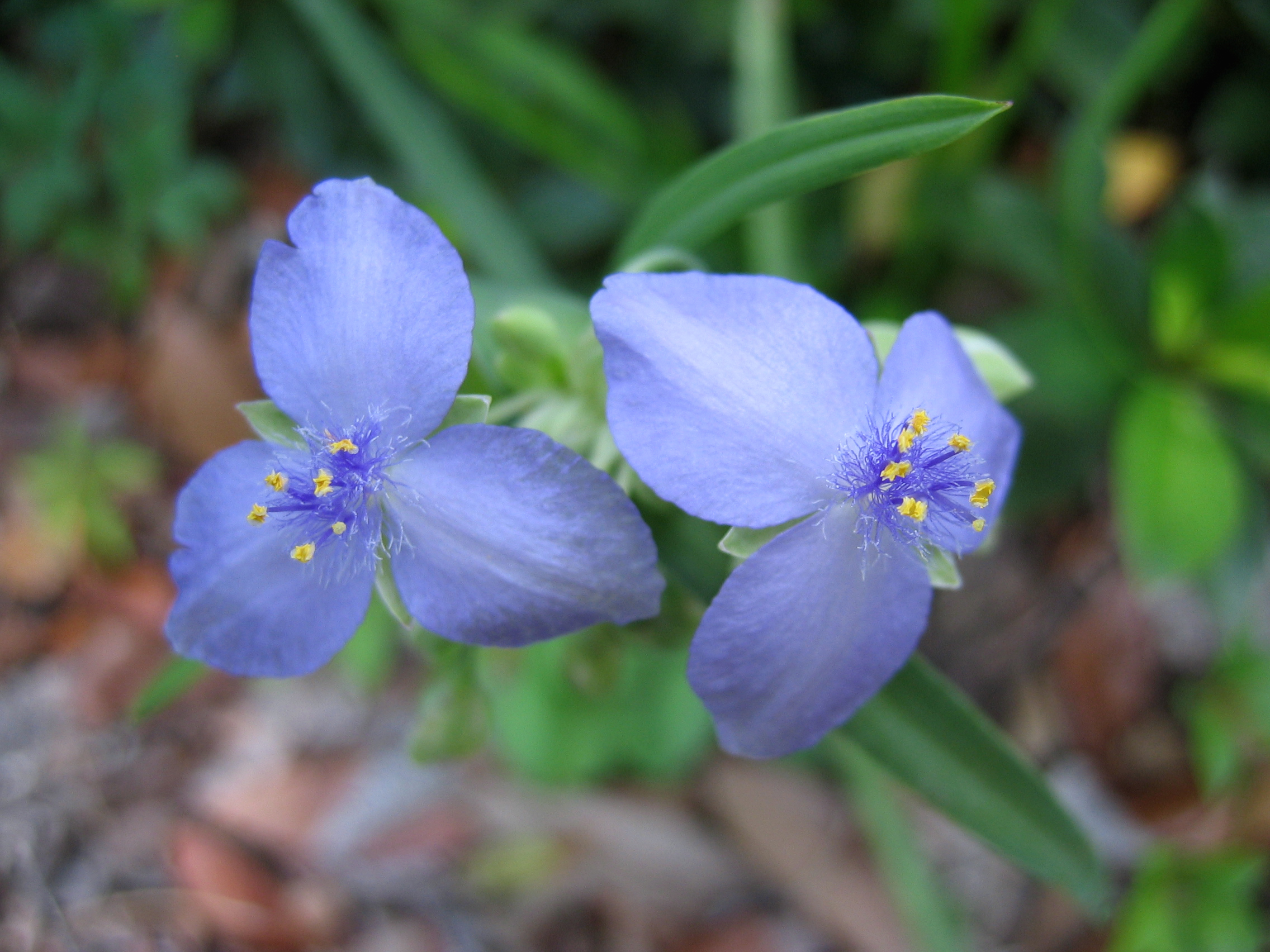
Tradescantia
Aglaonema Silver Bay

Kalanchoe
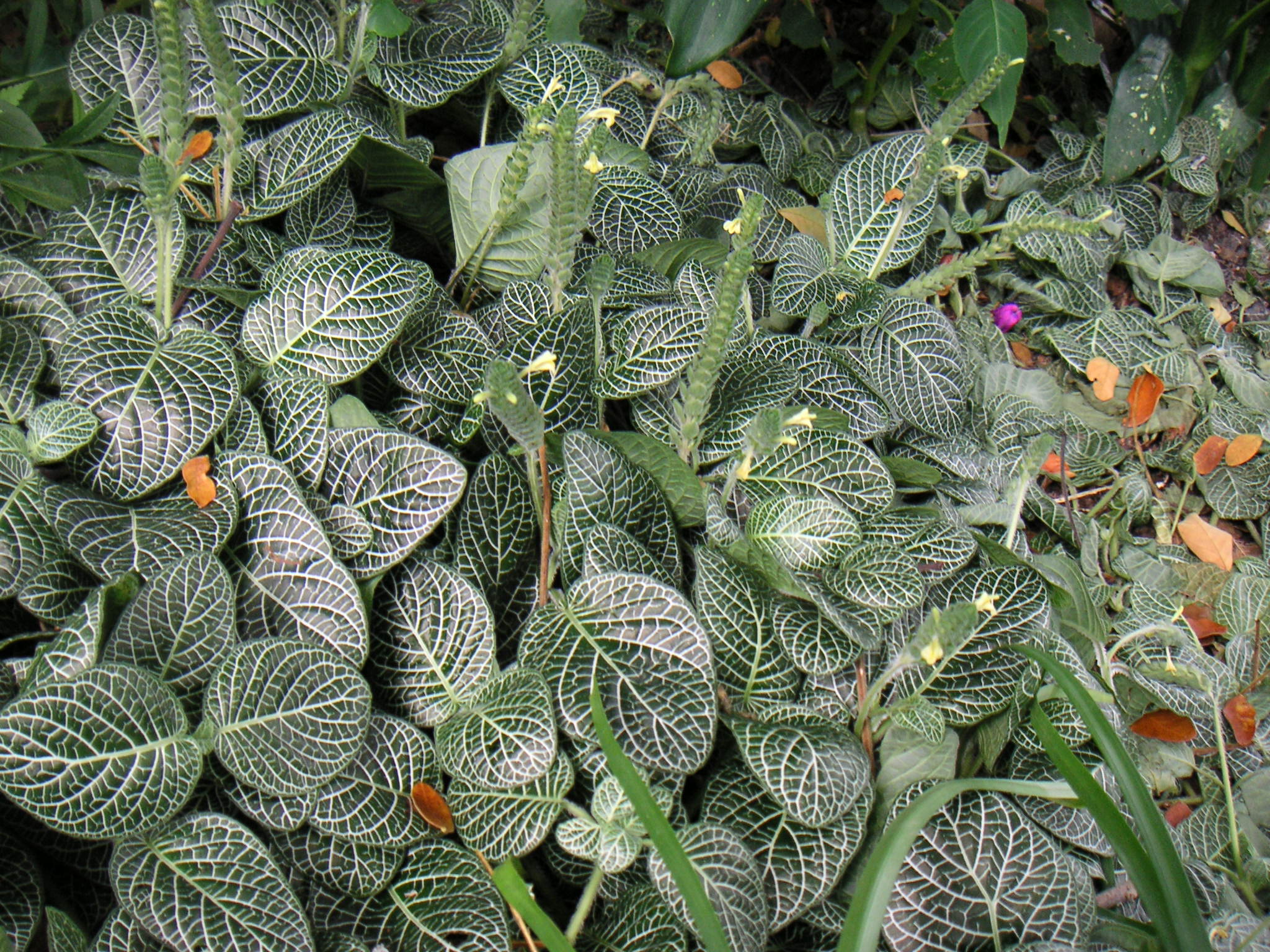
Nerve Plant
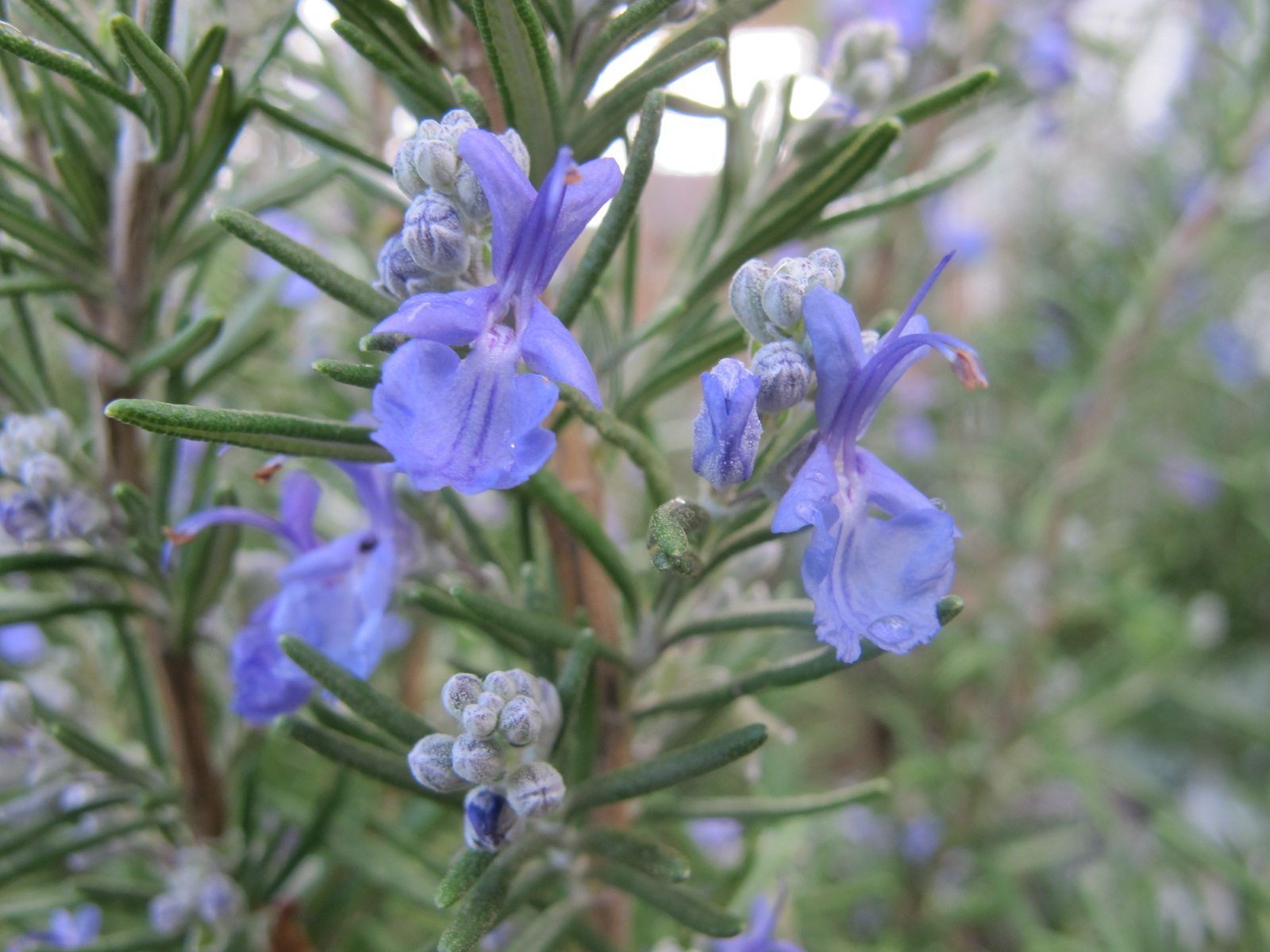
Rosemary

Majesty Palm

Stromanthe Triostar

Dieffenbachia
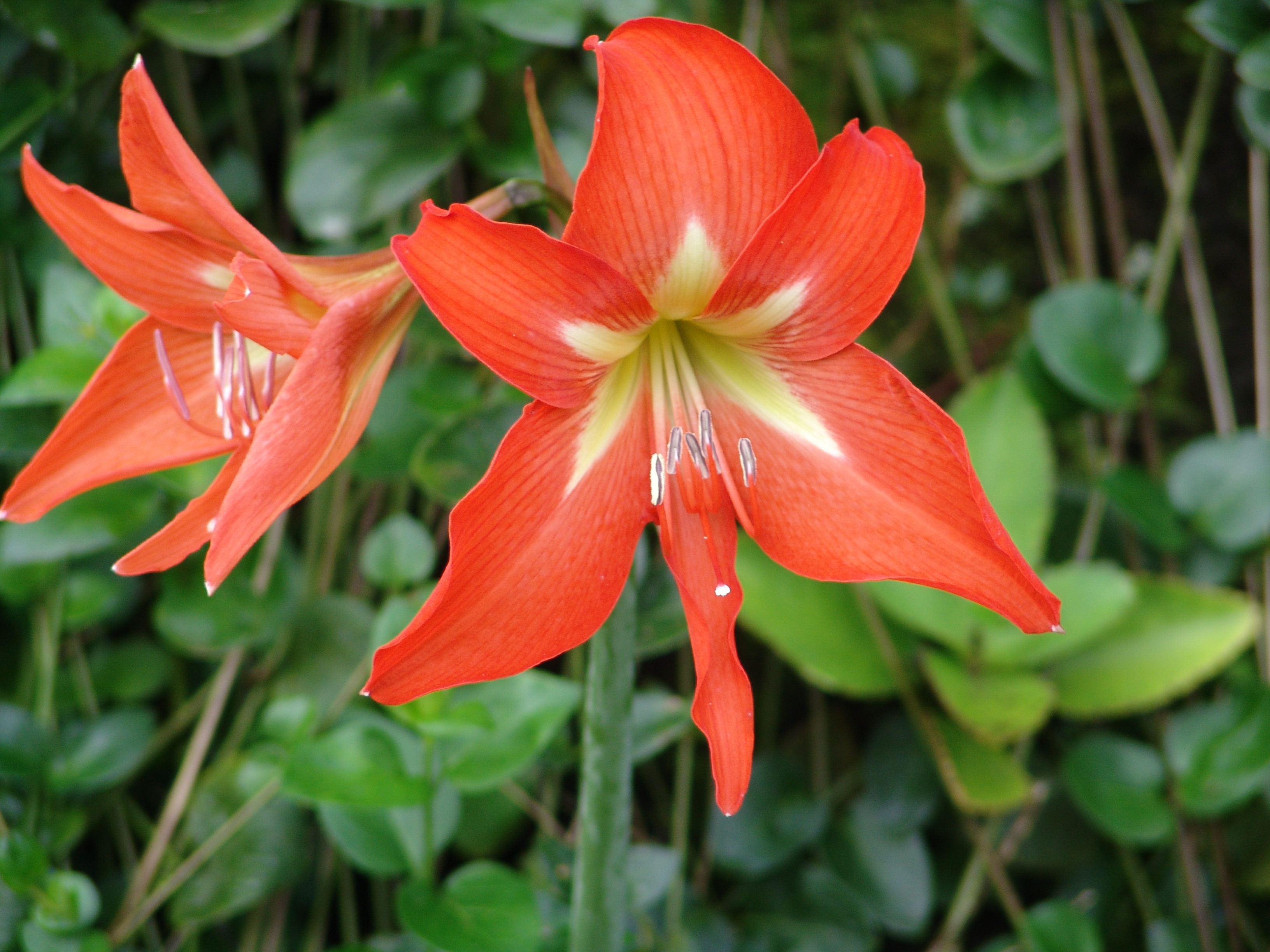
Amaryllis

Tomato Plant
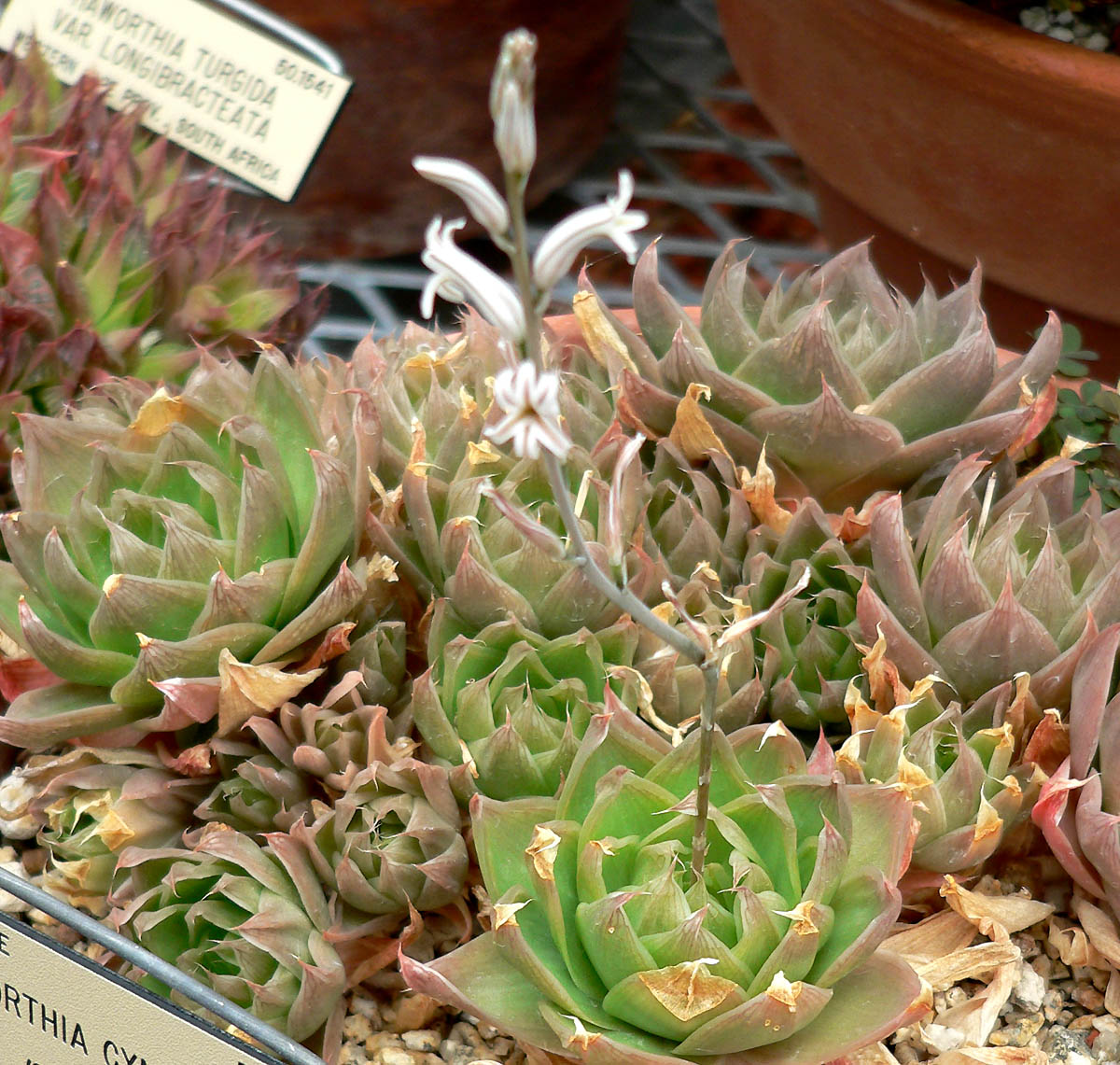
Haworthia

Basil

Kentia Palm
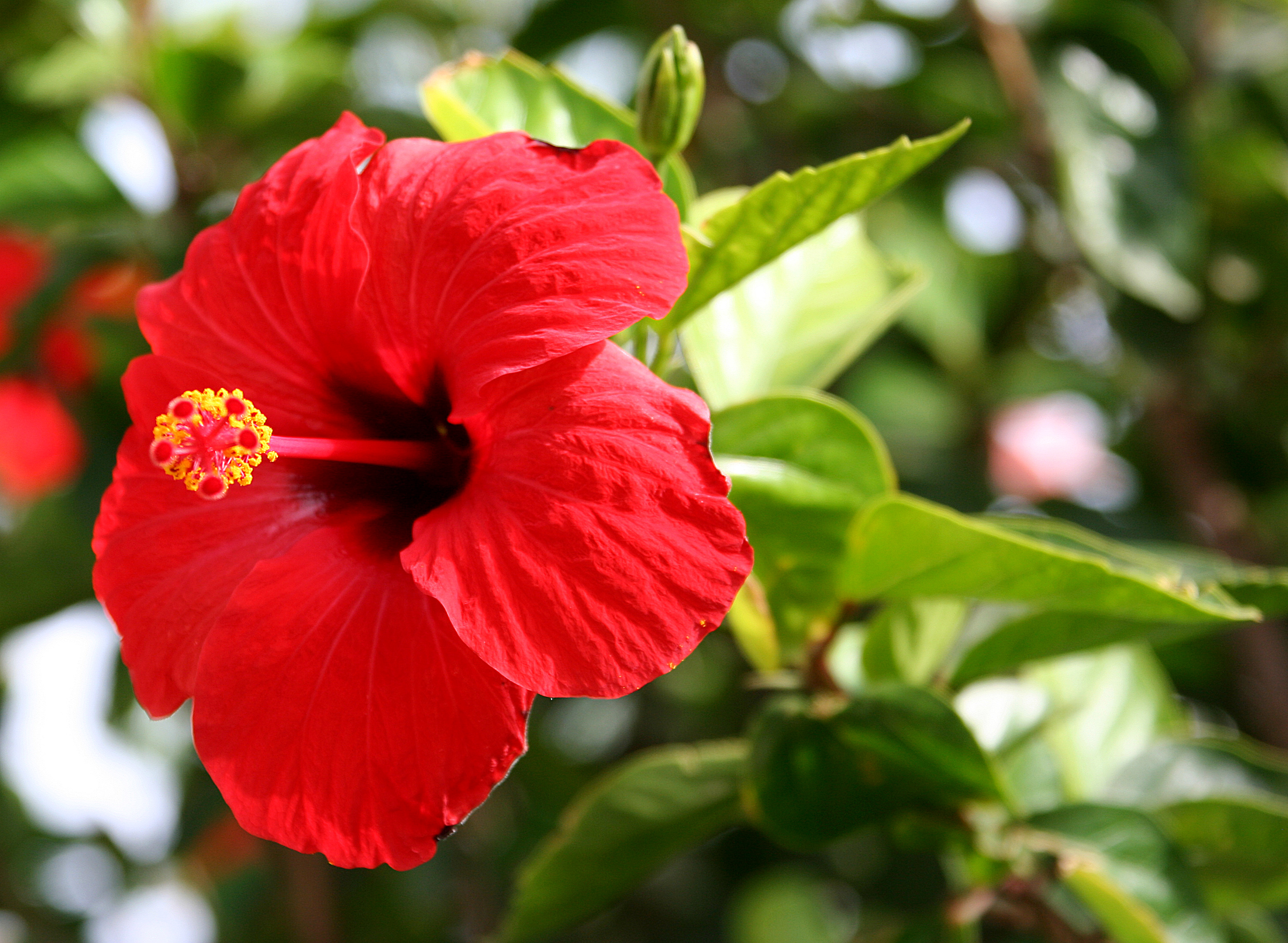
Hibiscus

Hosta
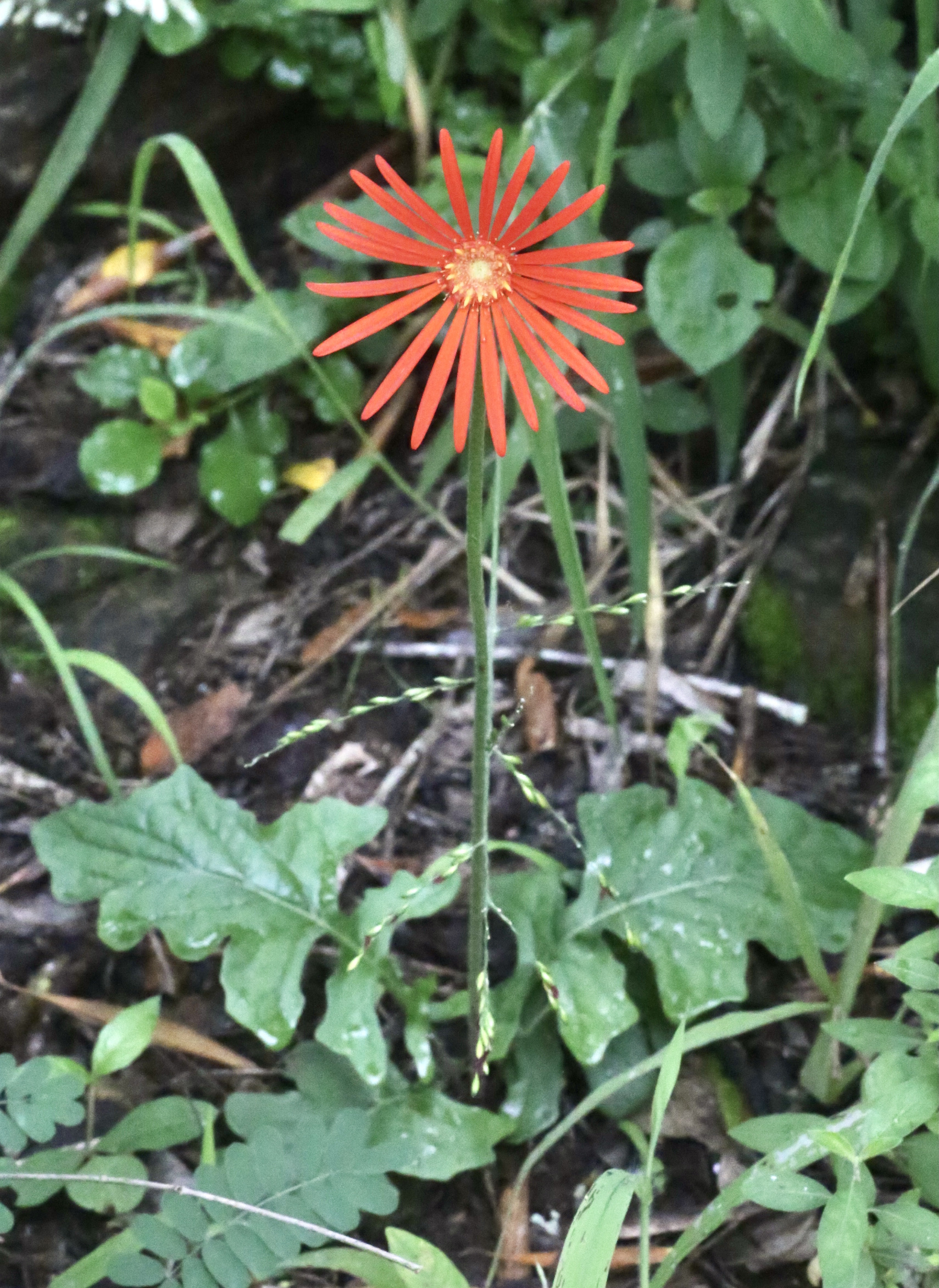
Gerbera Daisy
Rhododendron

Easter Lily

Baby Rubber Plant

Ficus Audrey
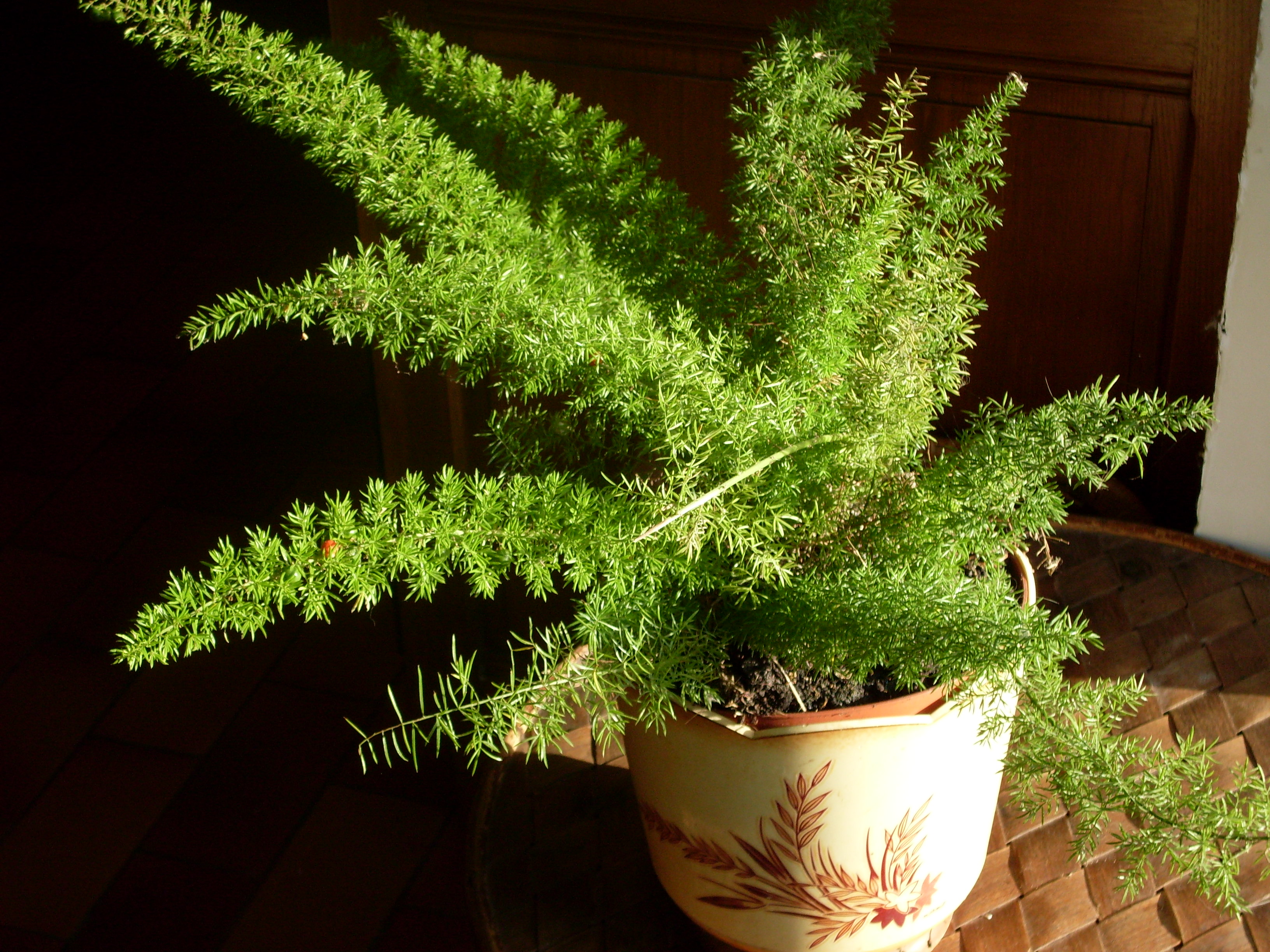
Asparagus Fern
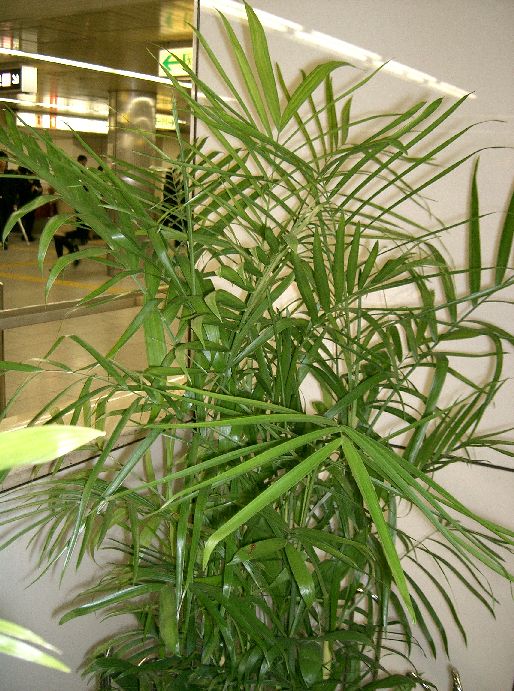
Bamboo Palm

Bird's Nest Fern
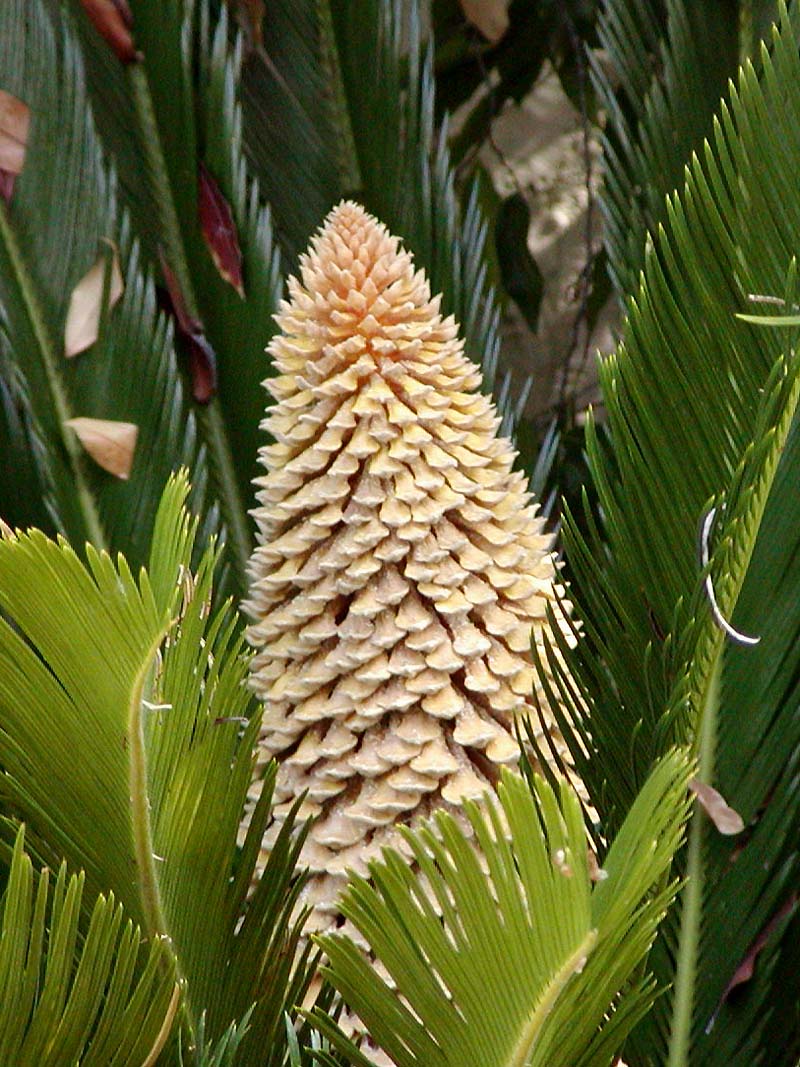
Sago Palm

Croton
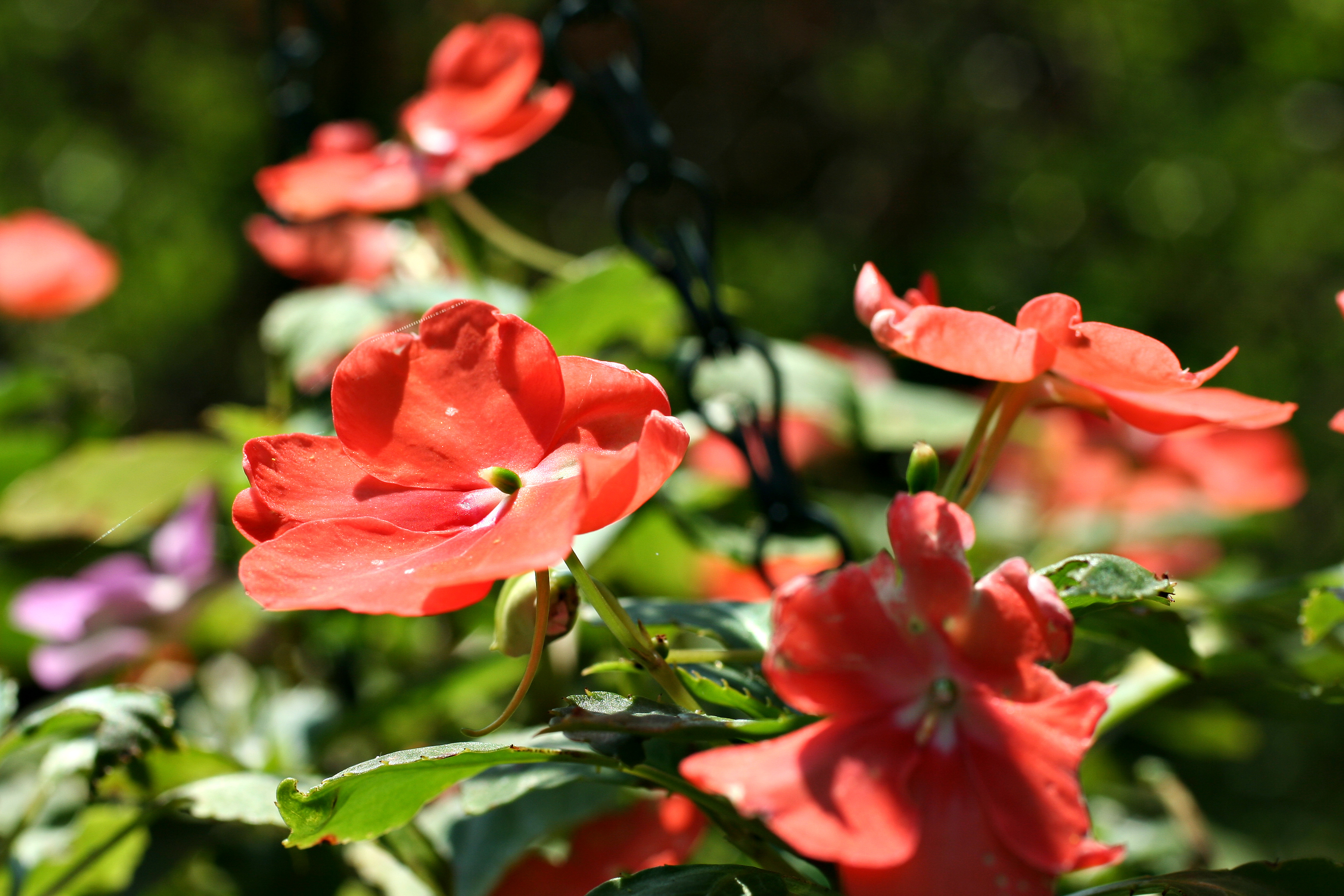
Impatiens

Bromeliad

Mint

Tiger Lily

Japanese Maple

Cat Palm
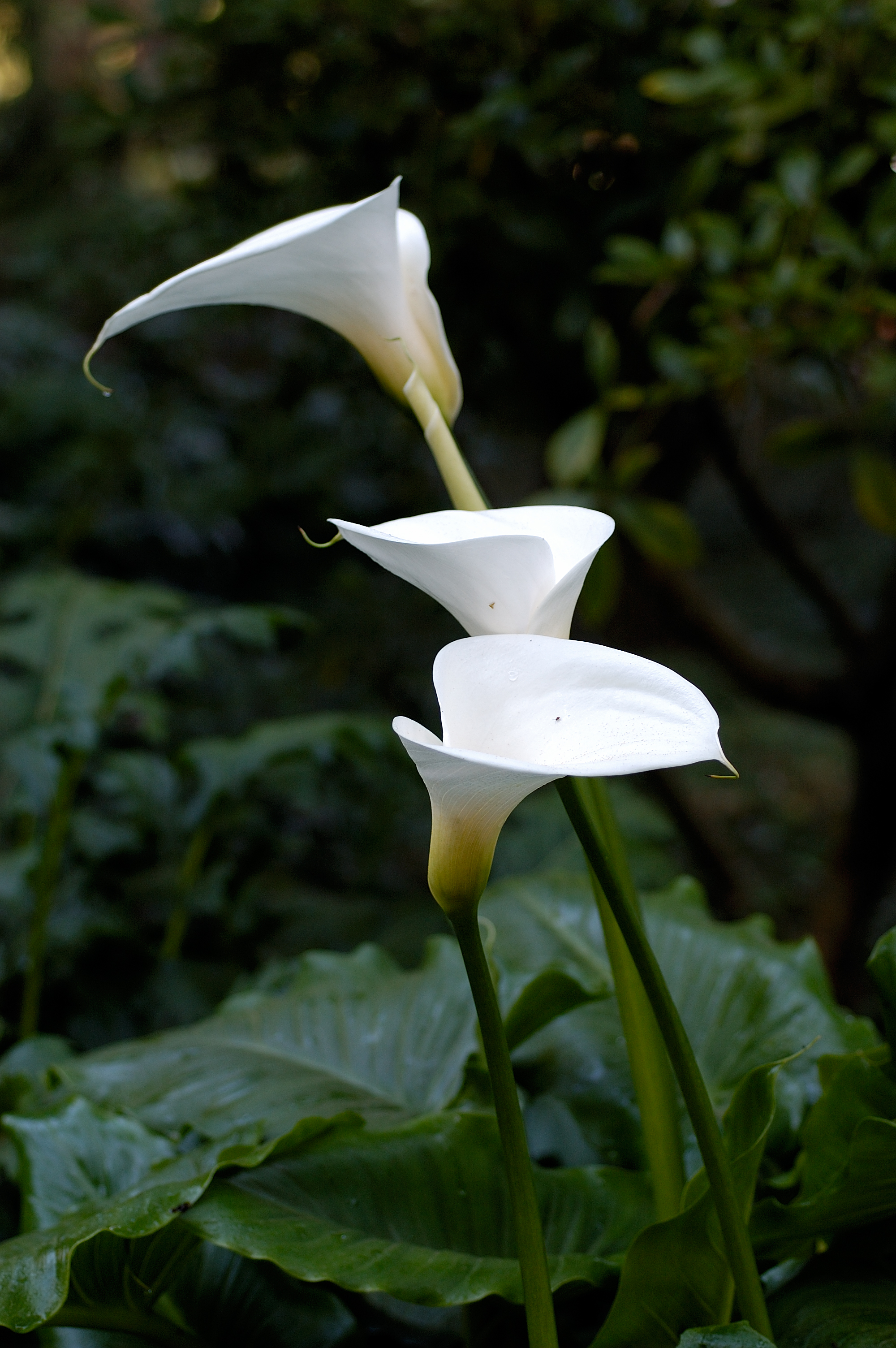
Calla Lily

African Violet
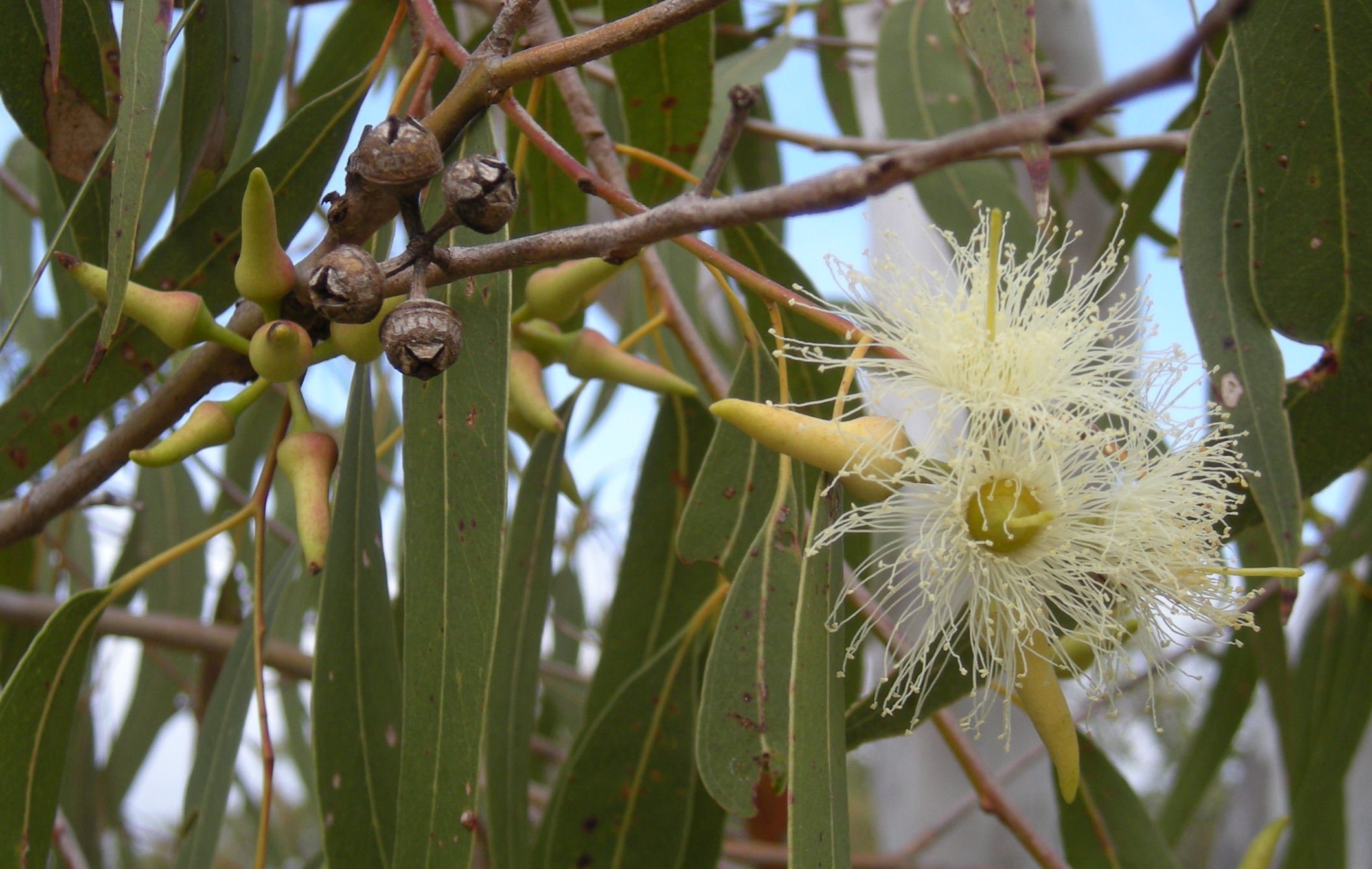
Eucalyptus

Zinnia

Jasmine
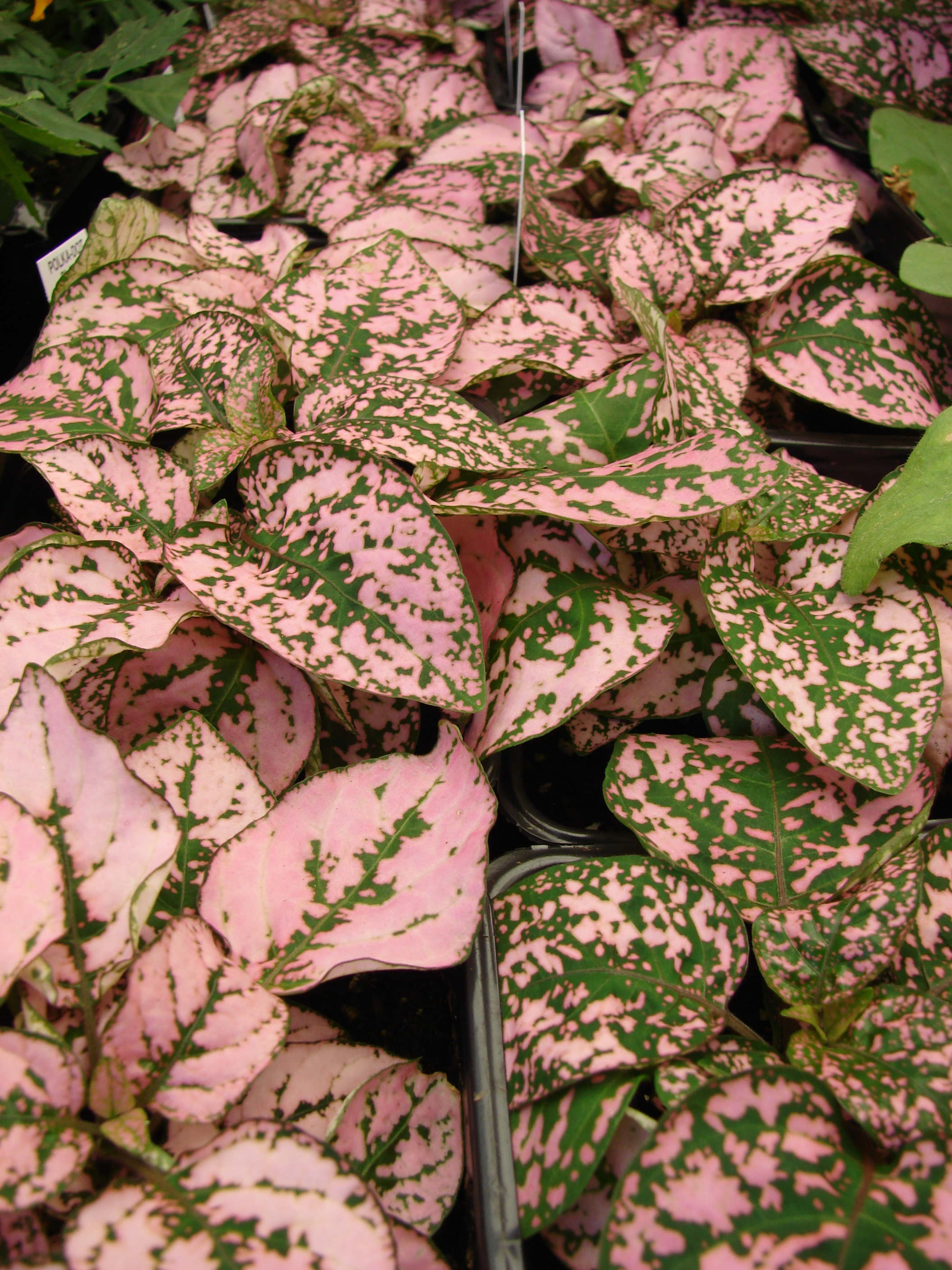
Polka Dot Plant

Rattlesnake Plant

Spring Crocus

Bougainvillea
Asiatic Lily

Oxalis
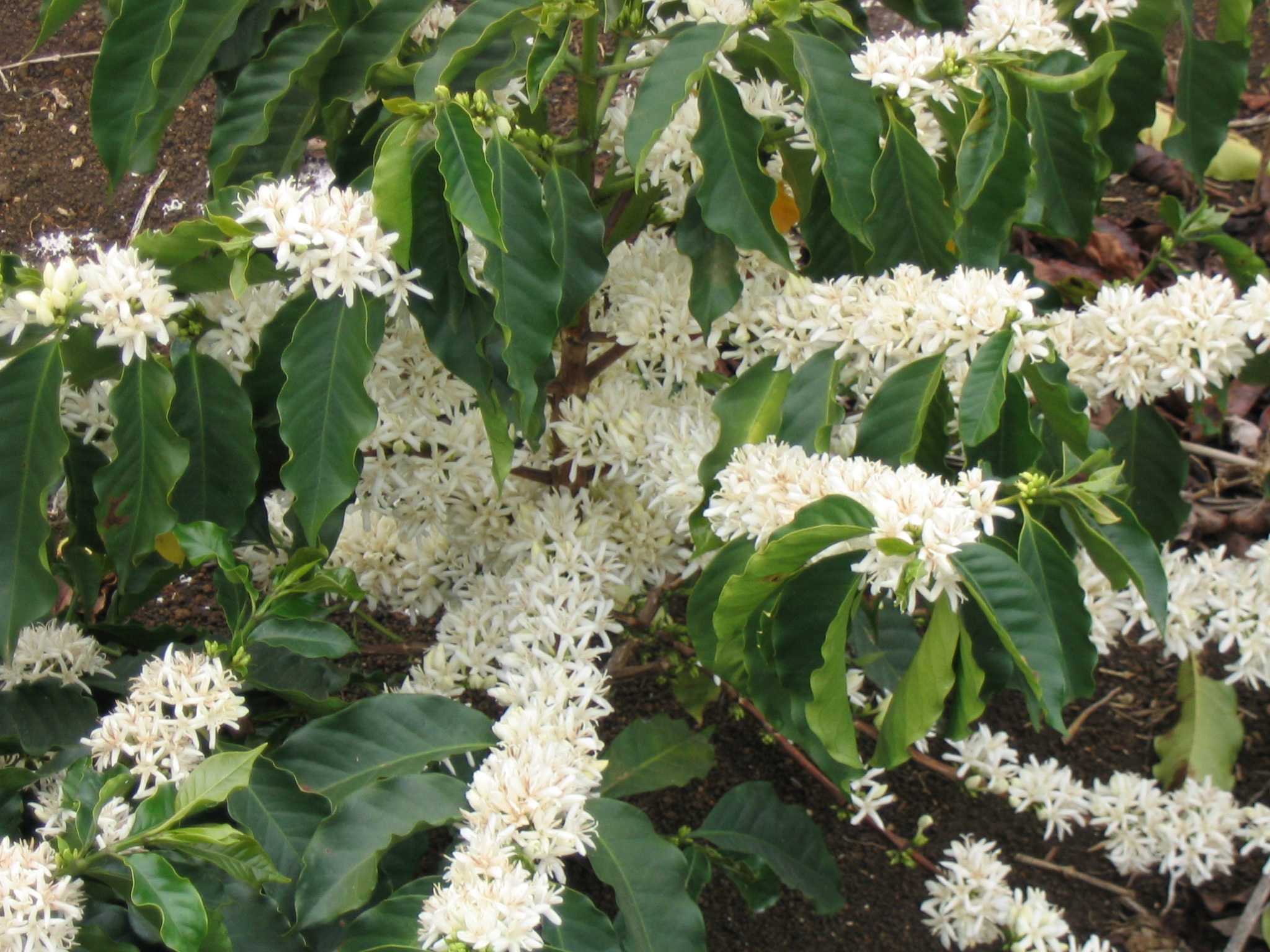
Coffee Plant
Begonia Rex

Ficus Tineke

Burro's Tail

Pansy

Gardenia

Iris

Maidenhair Fern

Hens and Chicks
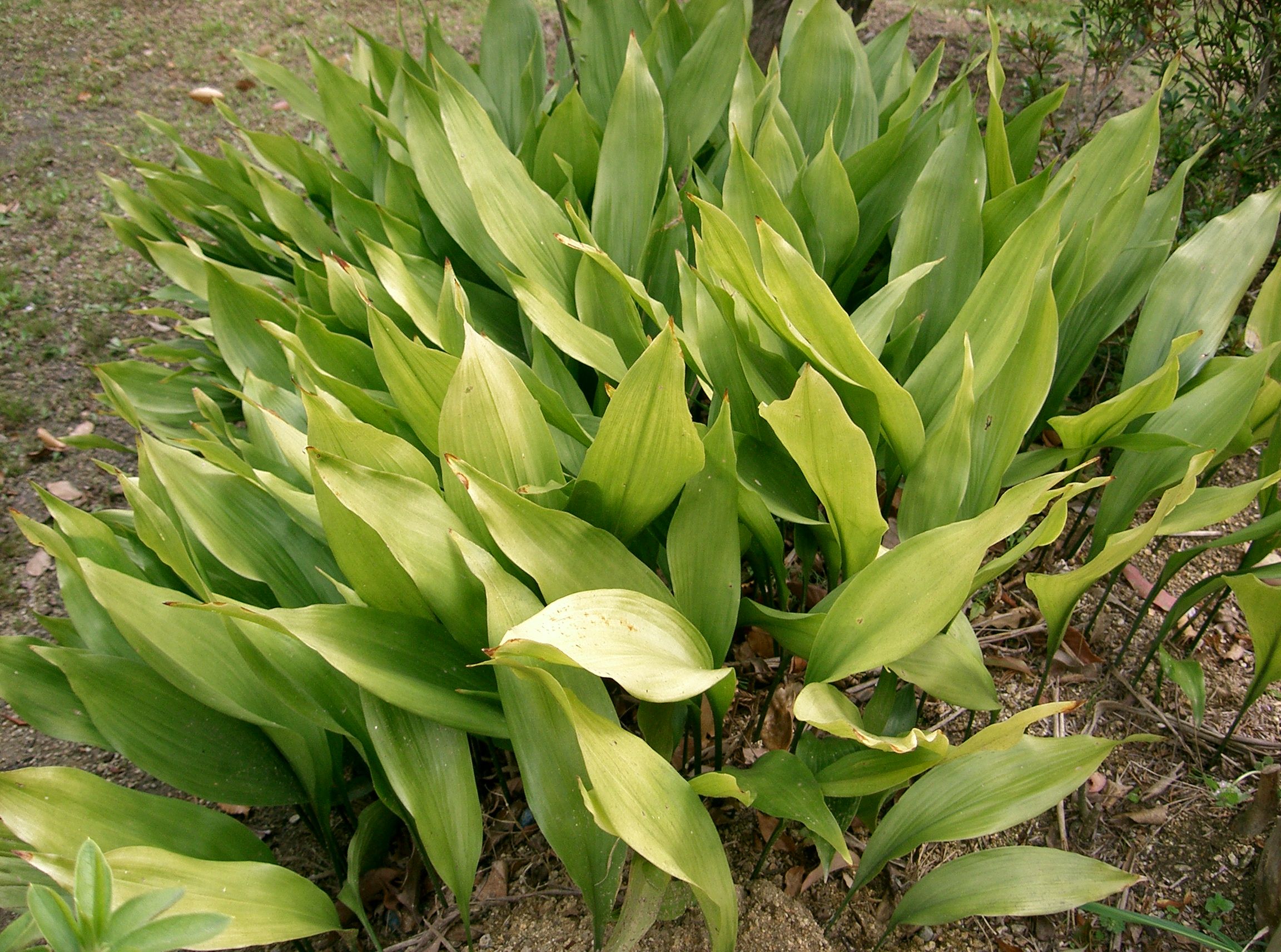
Cast Iron Plant

Hyacinth

Wheatgrass
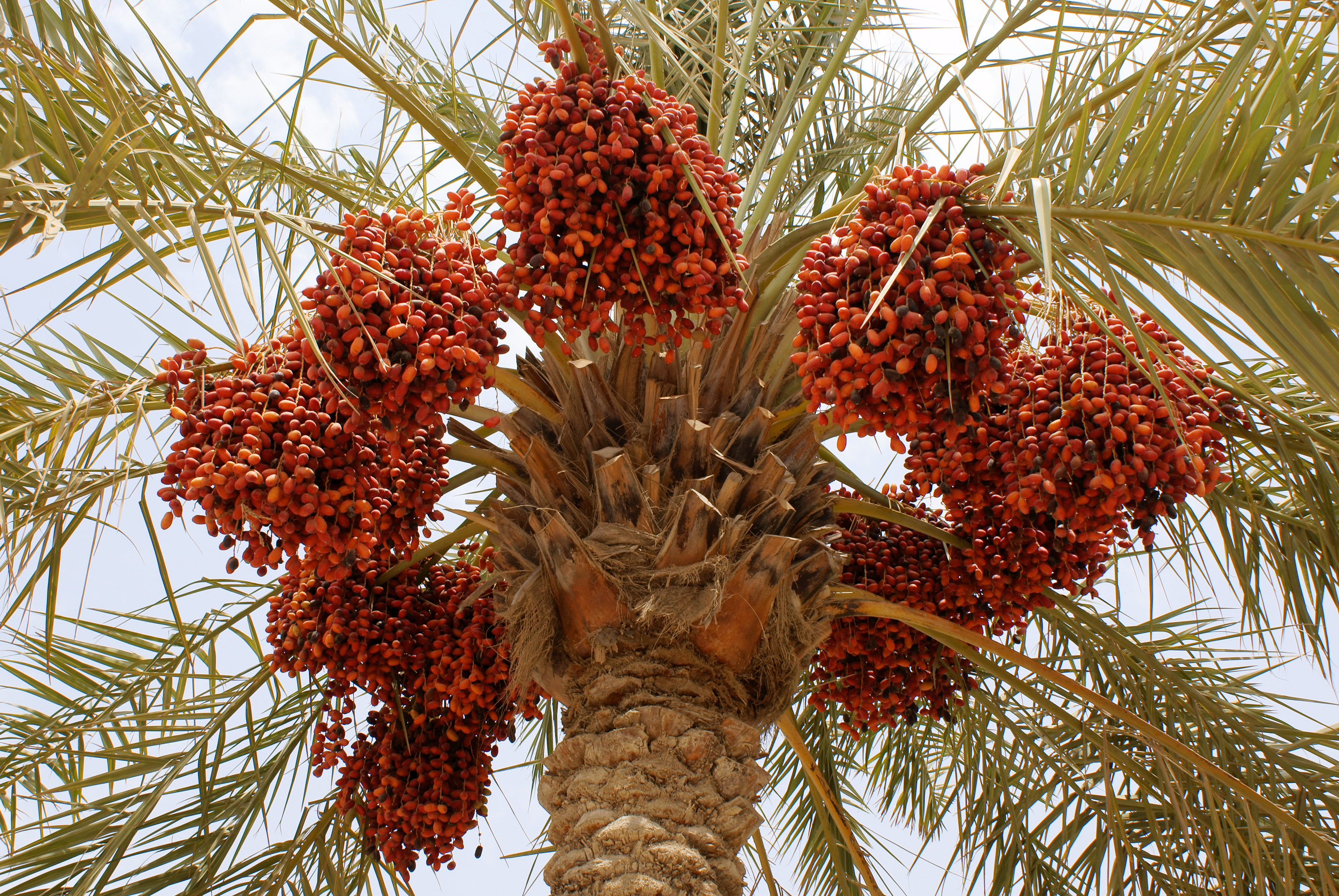
Date Palm
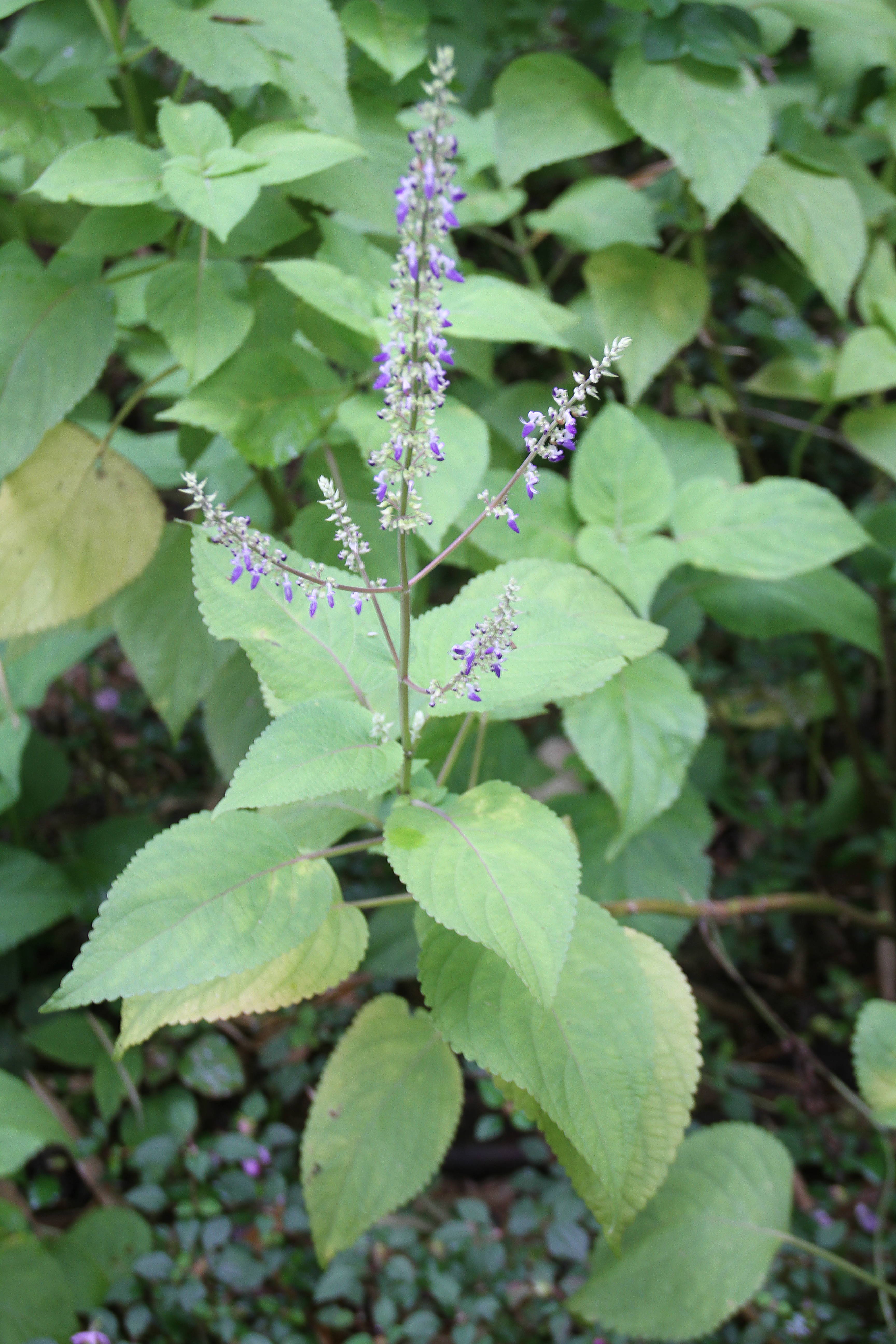
Coleus

Banana Plant

Parsley

Bleeding Heart

Ti Plant
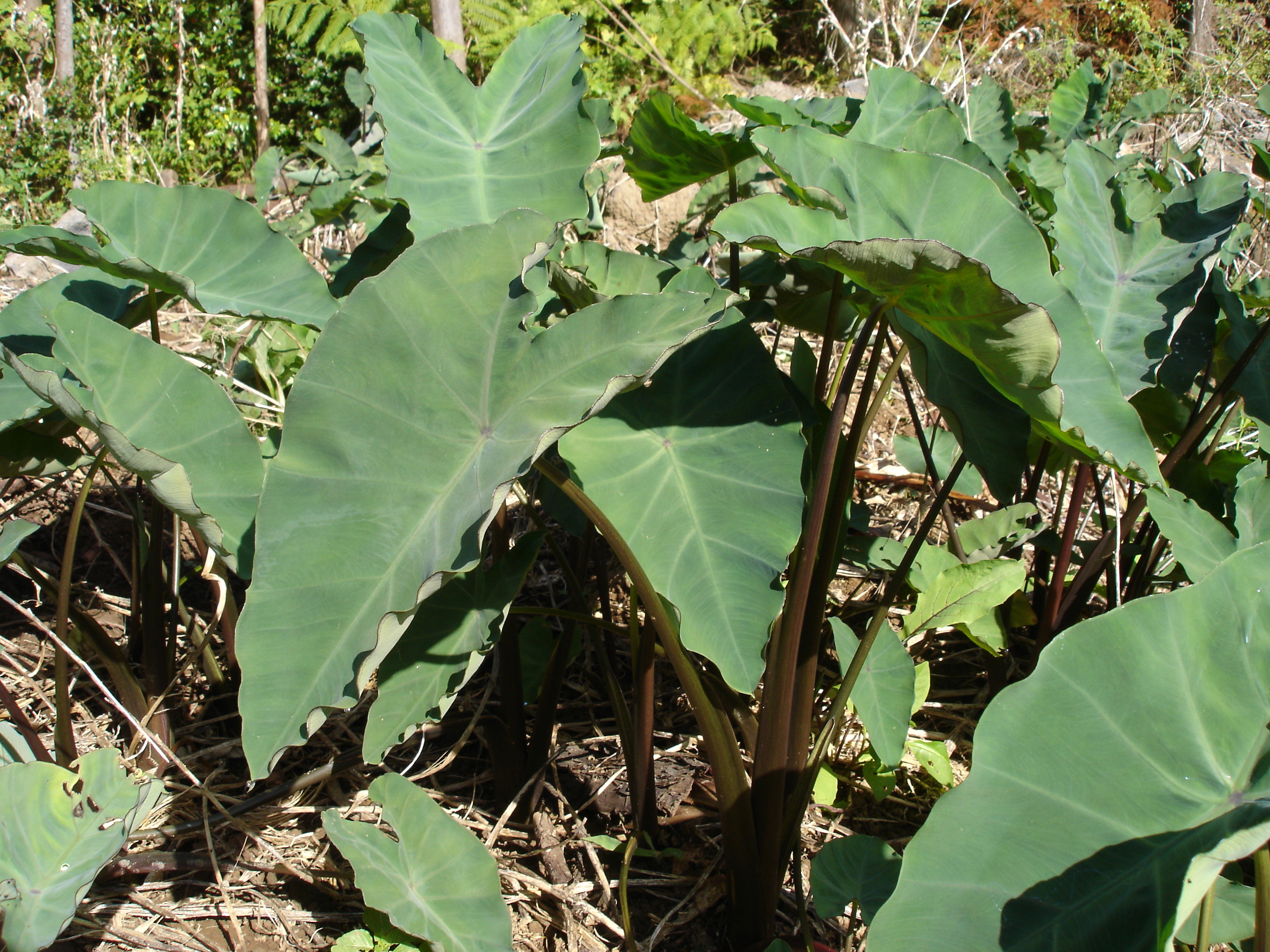
Taro

Panda Plant

String of Bananas

Lily of the Valley

Lemon Lime Philodendron
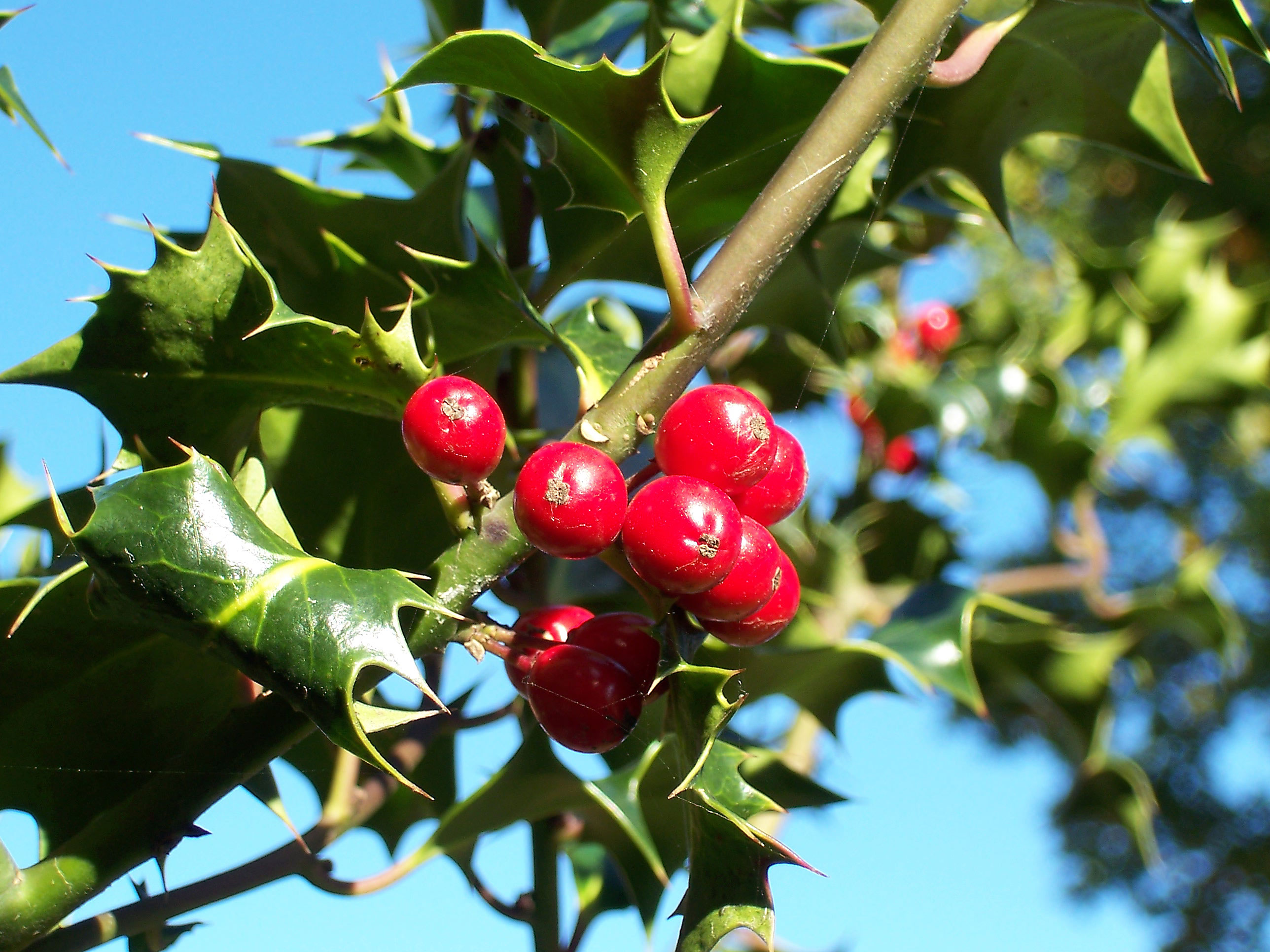
Holly

Pencil Cactus

Cyclamen

Snapdragon

Staghorn Fern

Clematis

Oregano

Crepe Myrtle

English Daisy

Soleirolia

Agave

Norfolk Island Pine

Desert Rose

Lemon Button Fern
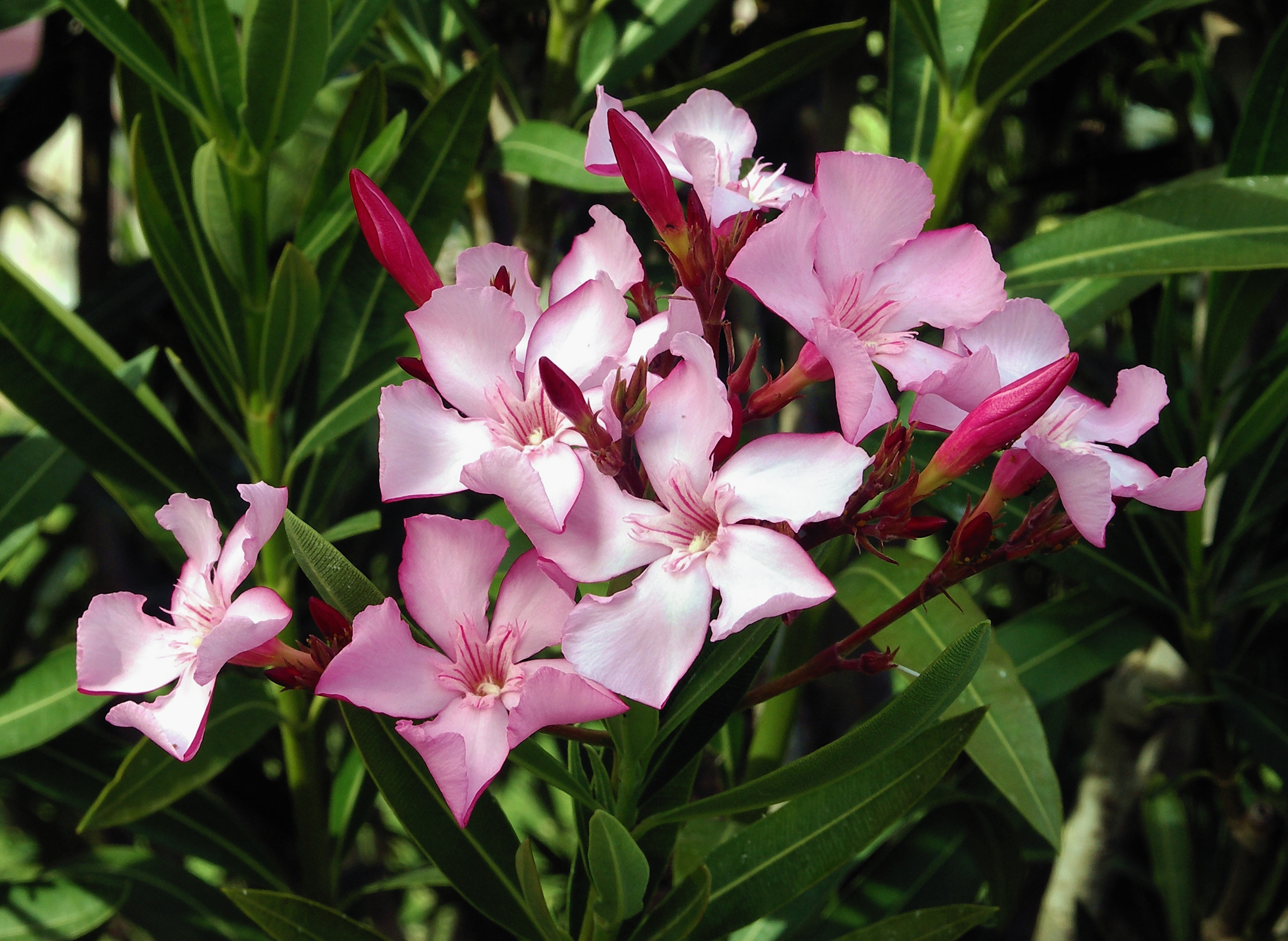
Oleander

Wisteria

Lipstick Plant
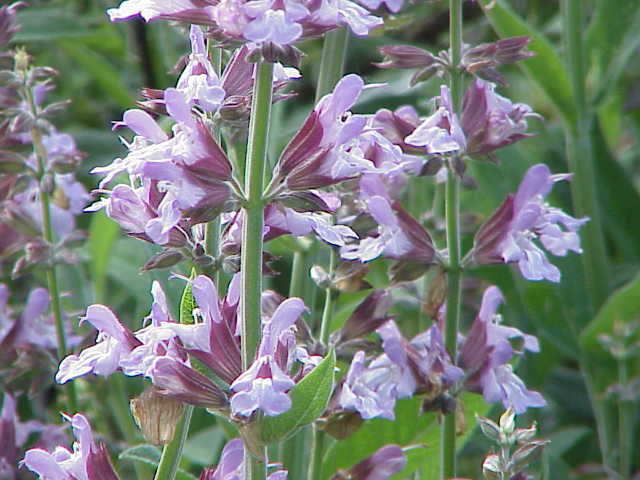
Sage

Yucca

Camellia

Chamomile

Marijuana

Valerian

Goldfish Plant

Lily of the Nile

Mother of Thousands

Mandevilla

Mistletoe Cactus
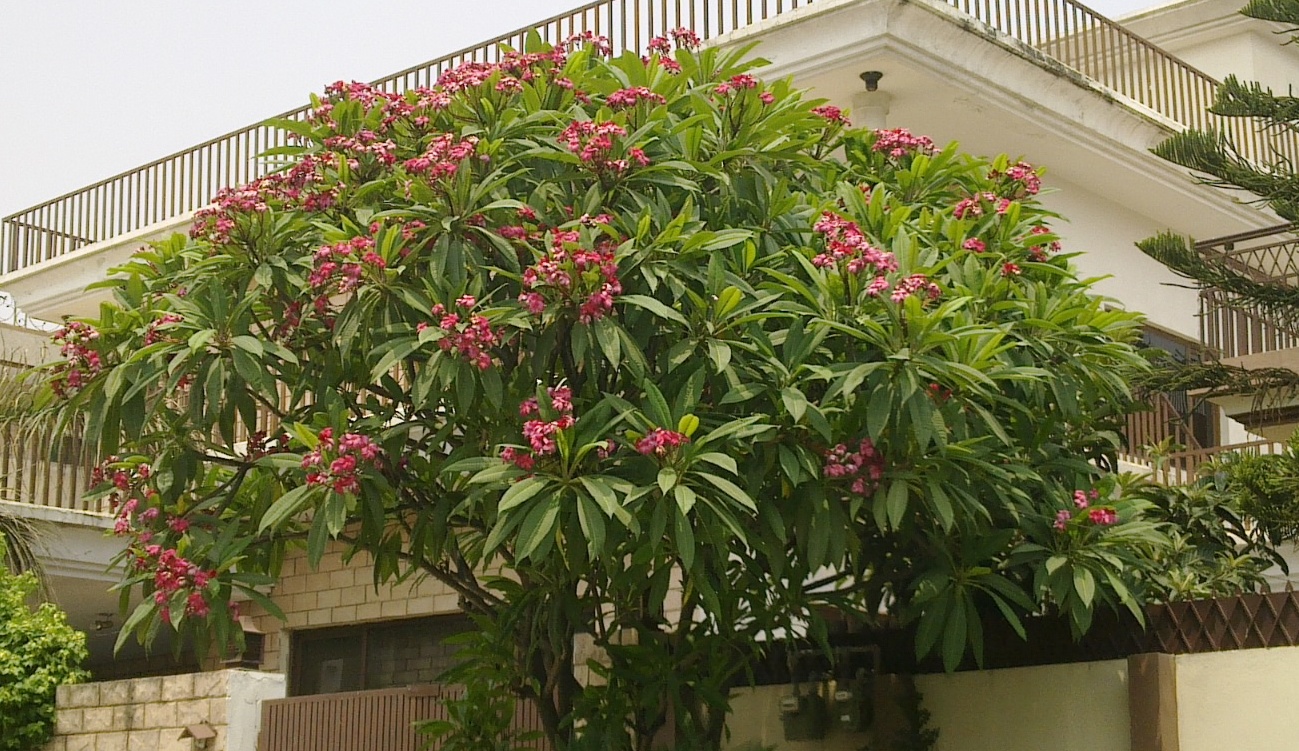
Plumeria

Blue Star Fern

Japanese Yew
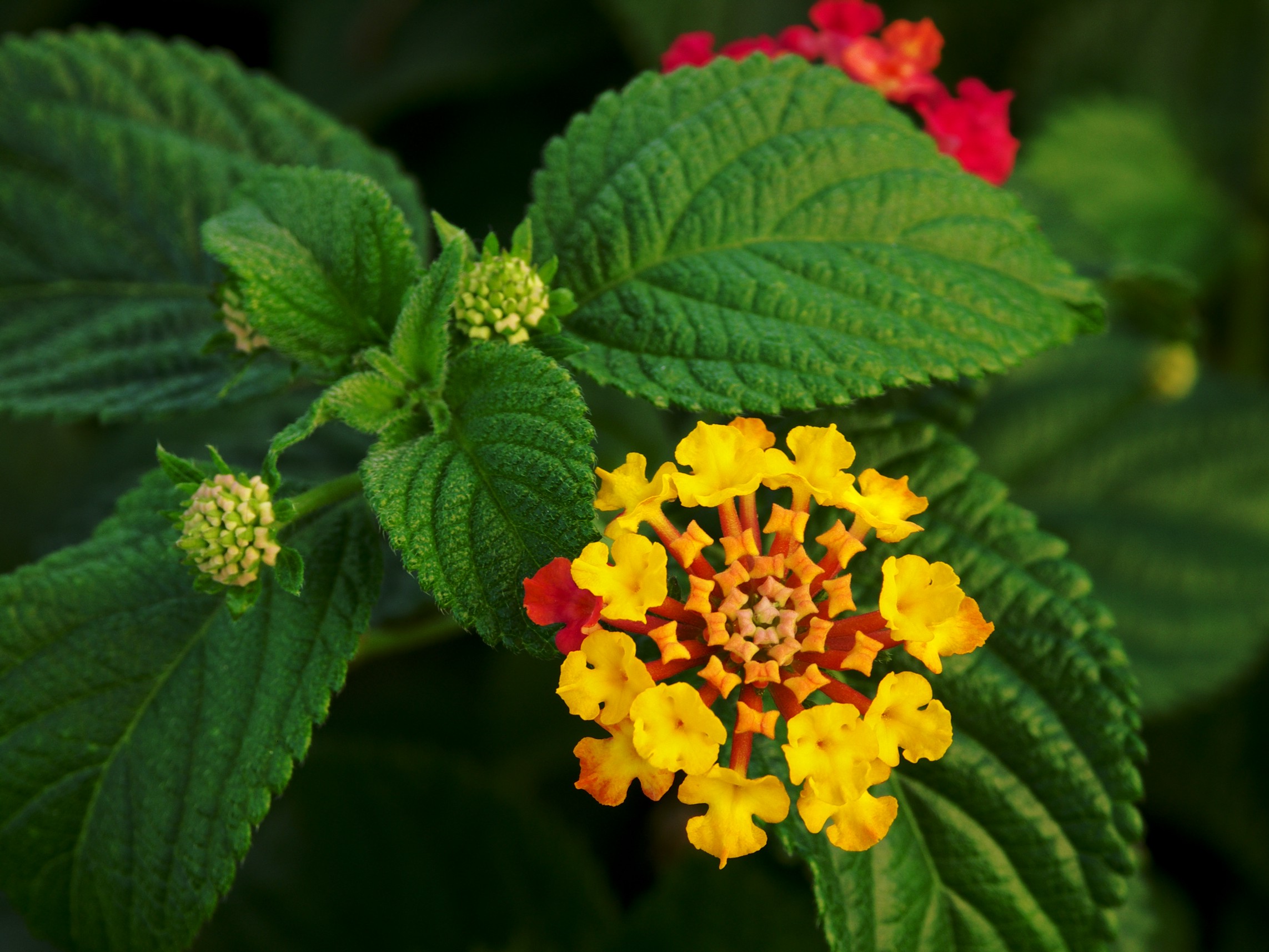
Lantana

Thyme

Swedish Ivy
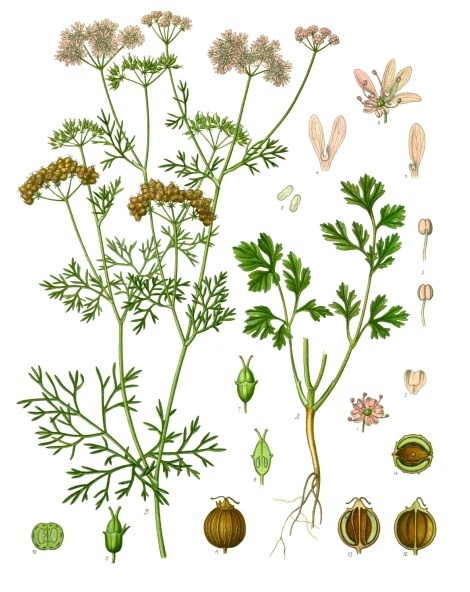
Cilantro
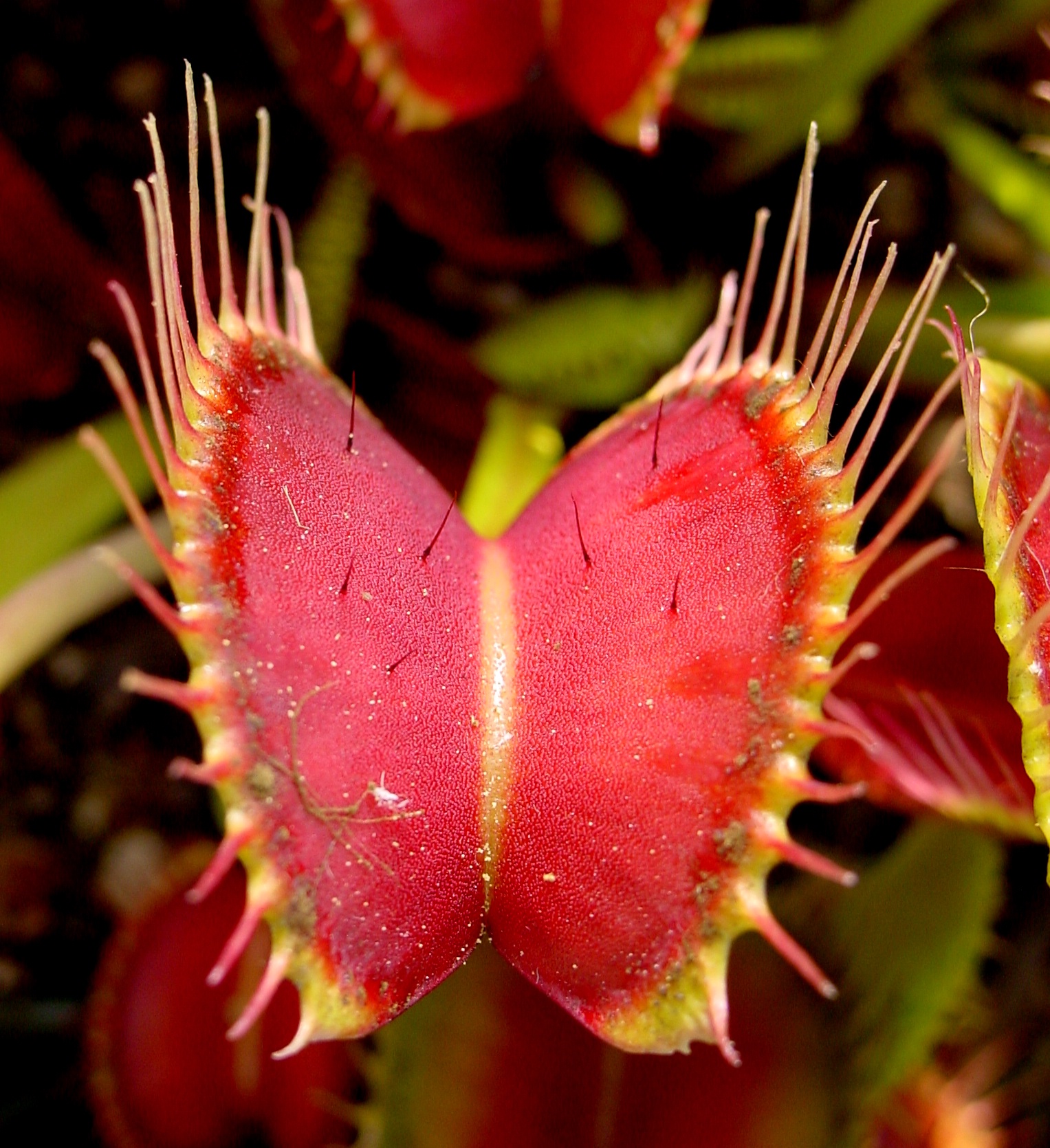
Venus Flytrap

Coral Bells

Passion Flower

Buttercup

Lace Aloe

Hellebore

Boxwood

Foxglove

Morning Glory
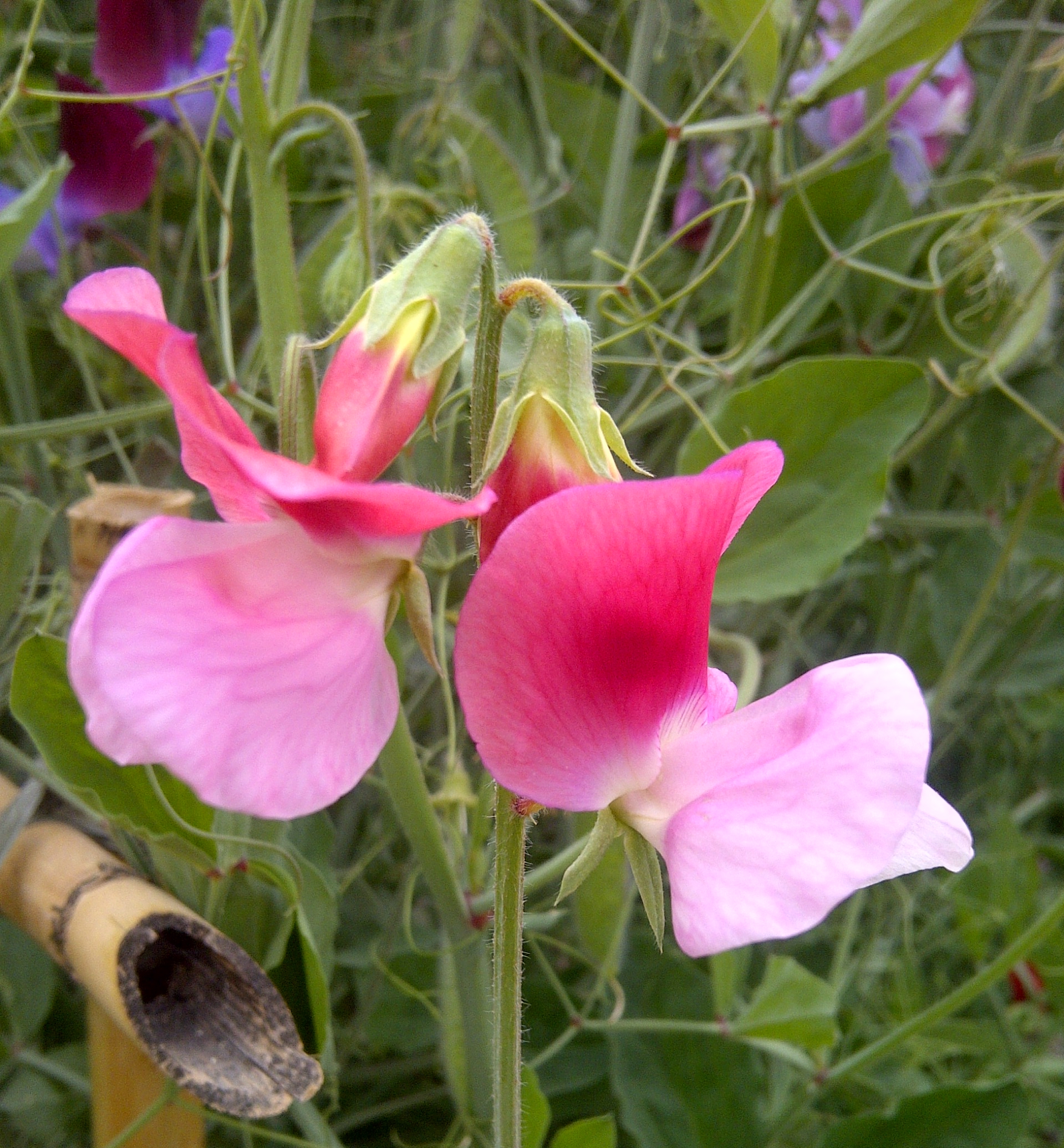
Sweet Pea

Lupine

Hollyhock

Larkspur

Purple Waffle Plant

Boston Ivy

Friendship Plant

Clivia

Ornamental Pepper

Pitcher Plant

Mother of Millions

Red Creeping Thyme

Yew
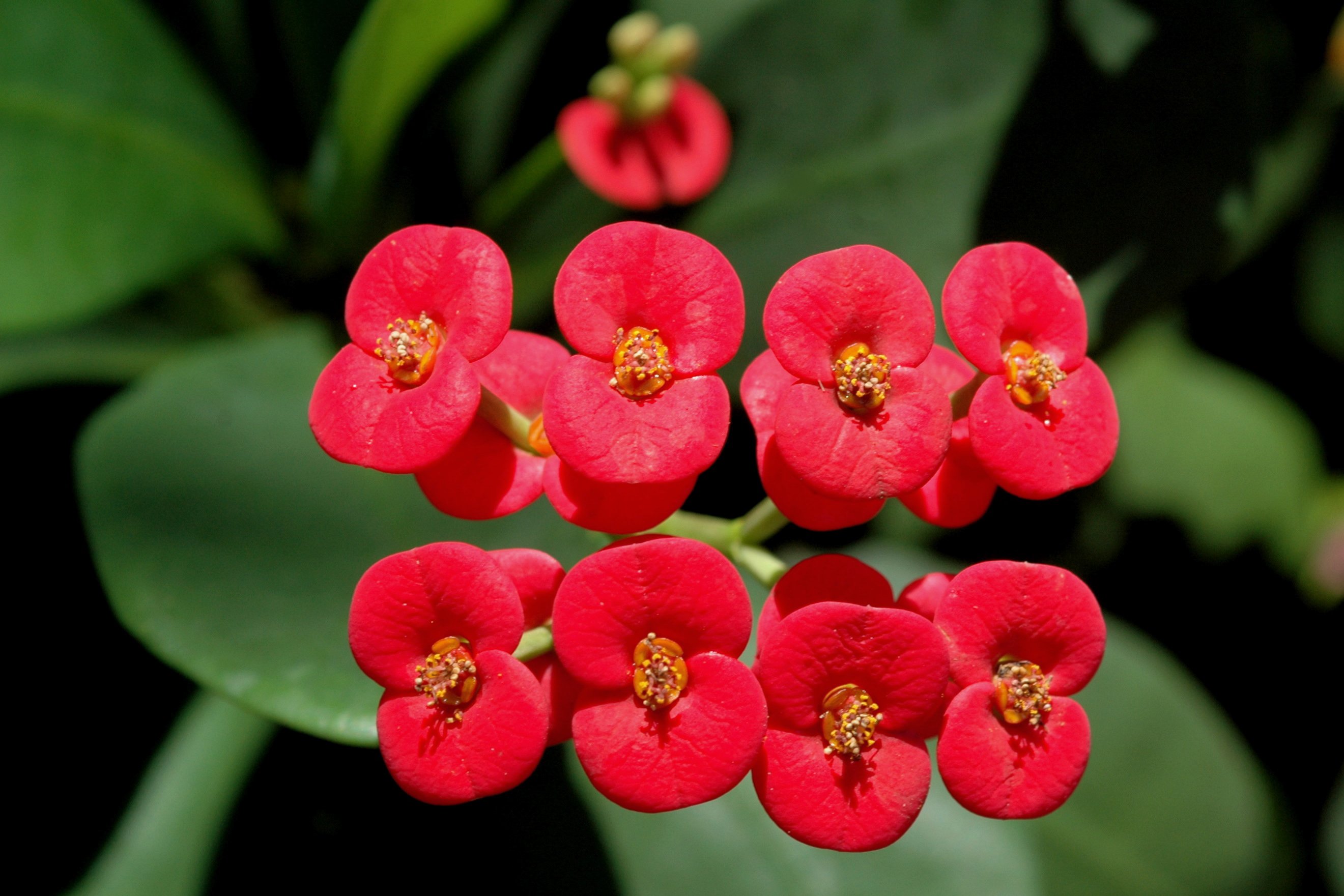
Crown of Thorns

Gloxinia
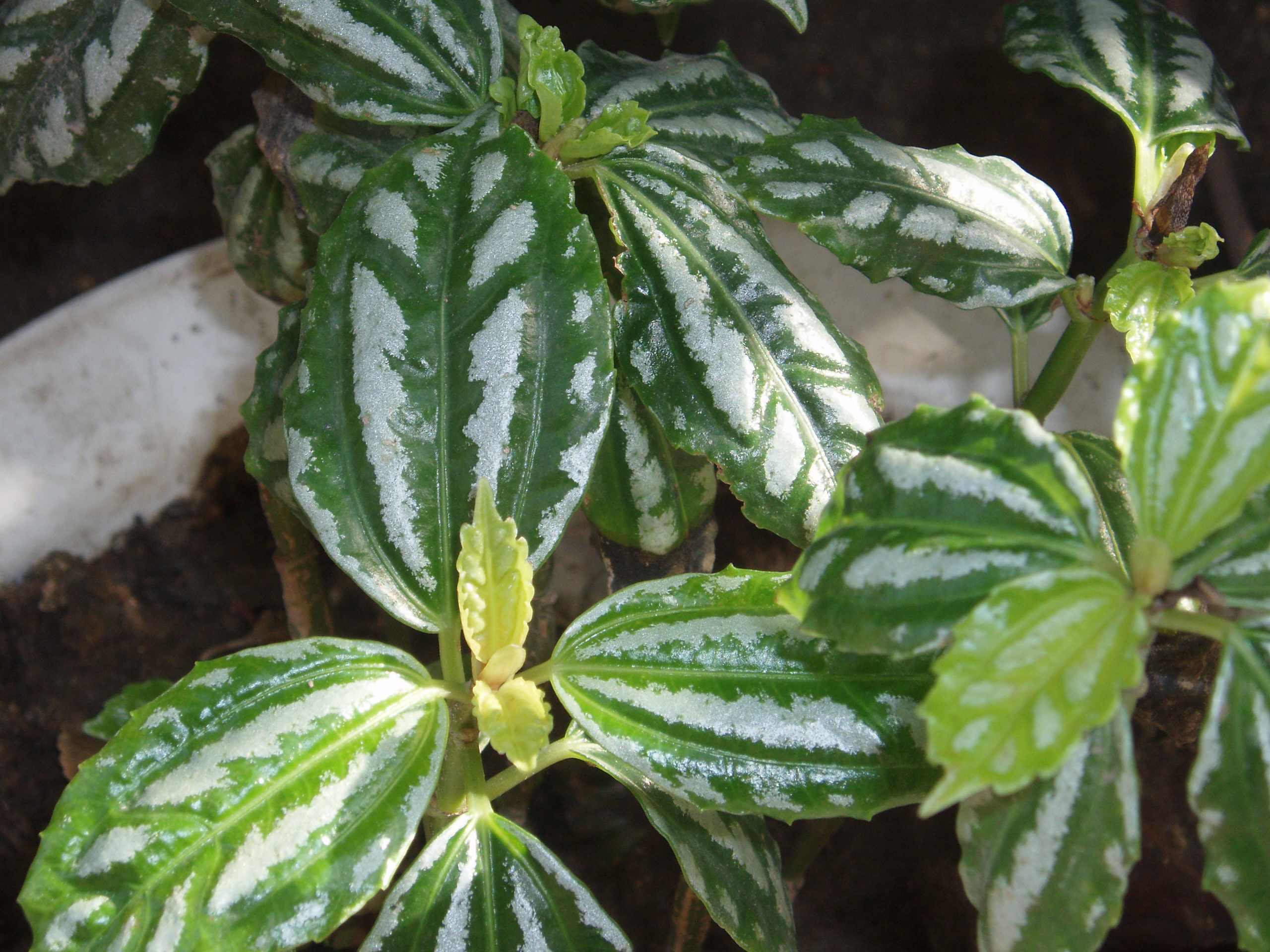
Aluminum Plant

Dill
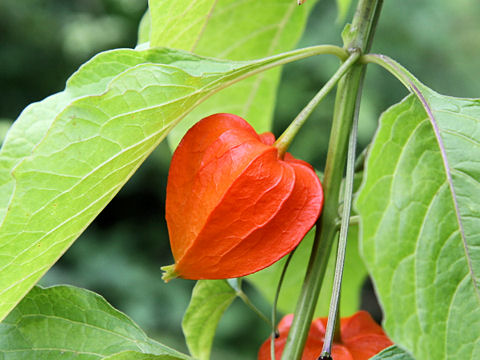
Chinese Lantern

Delphinium

Privet

Lemon Balm
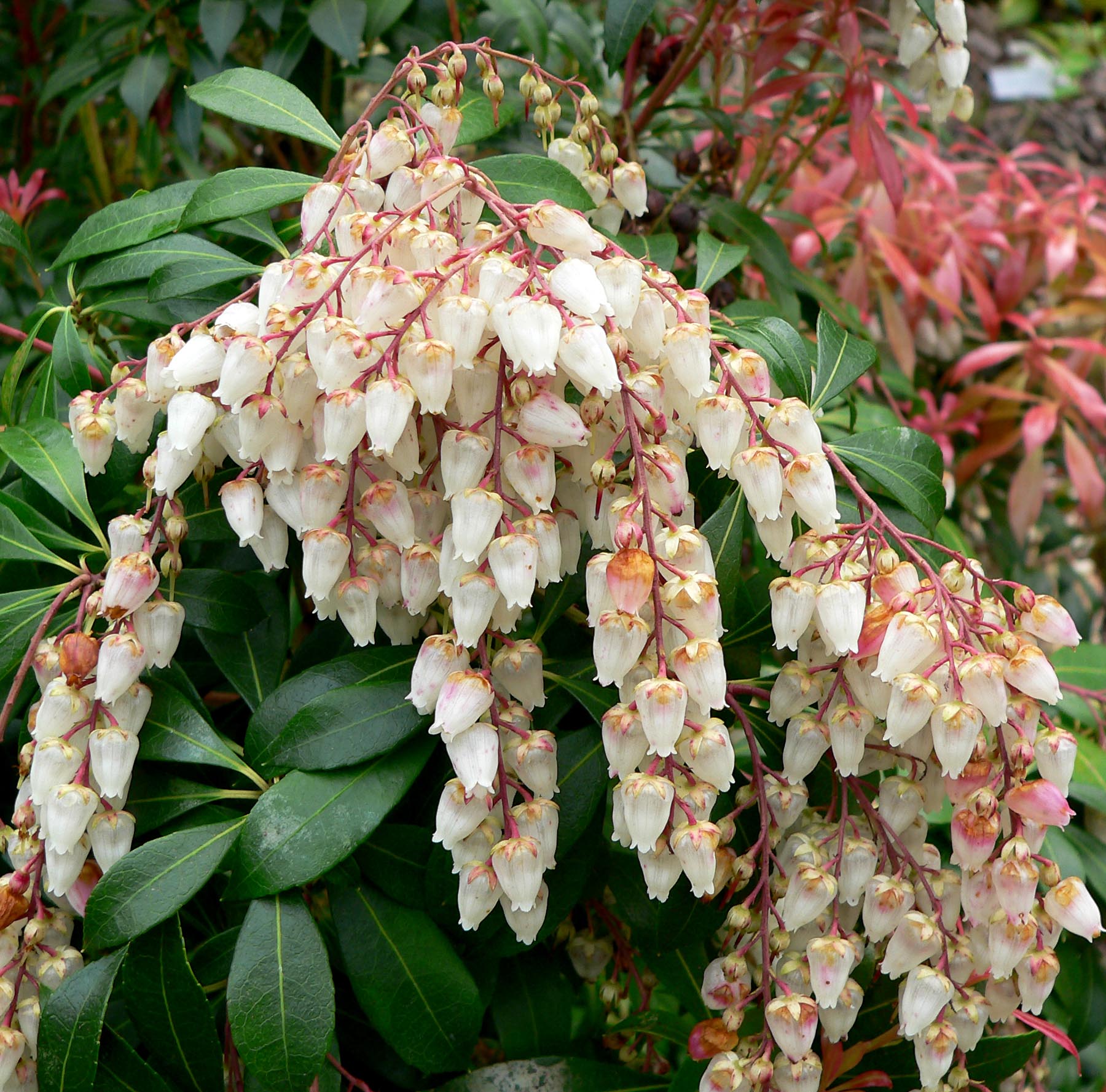
Japanese Pieris

Mistletoe
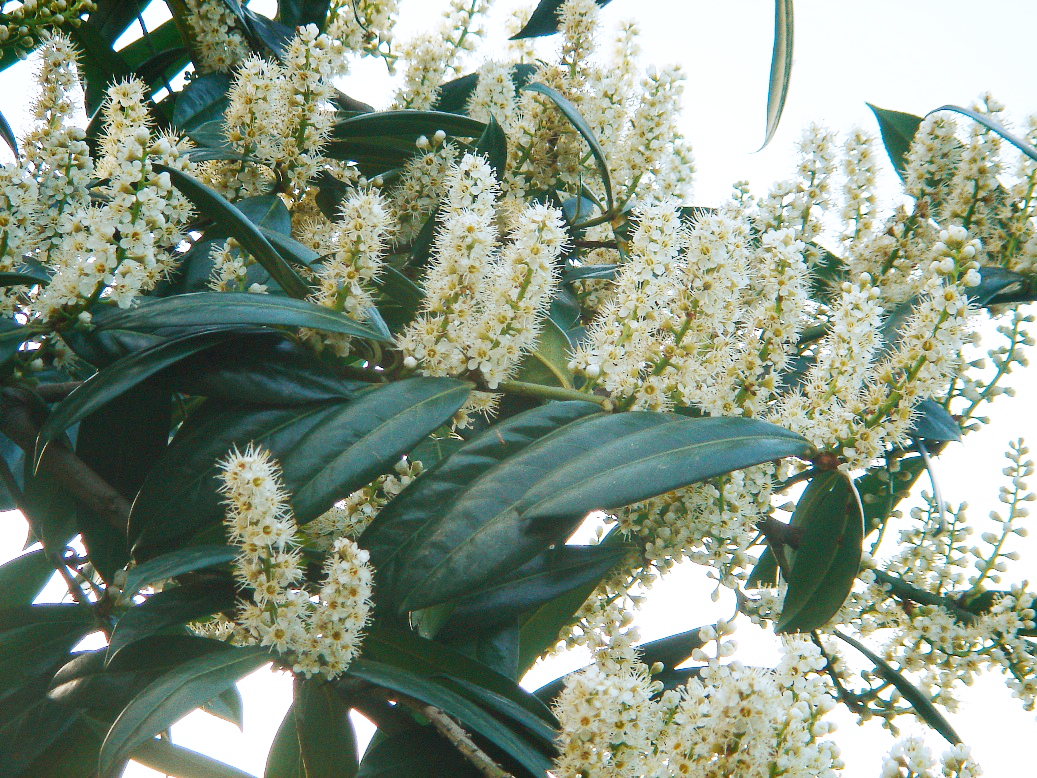
Cherry Laurel

Rabbit's Foot Fern

Heartleaf Fern

Autumn Crocus

Rhubarb

Button Fern

Carolina Jessamine

Bird Cherry
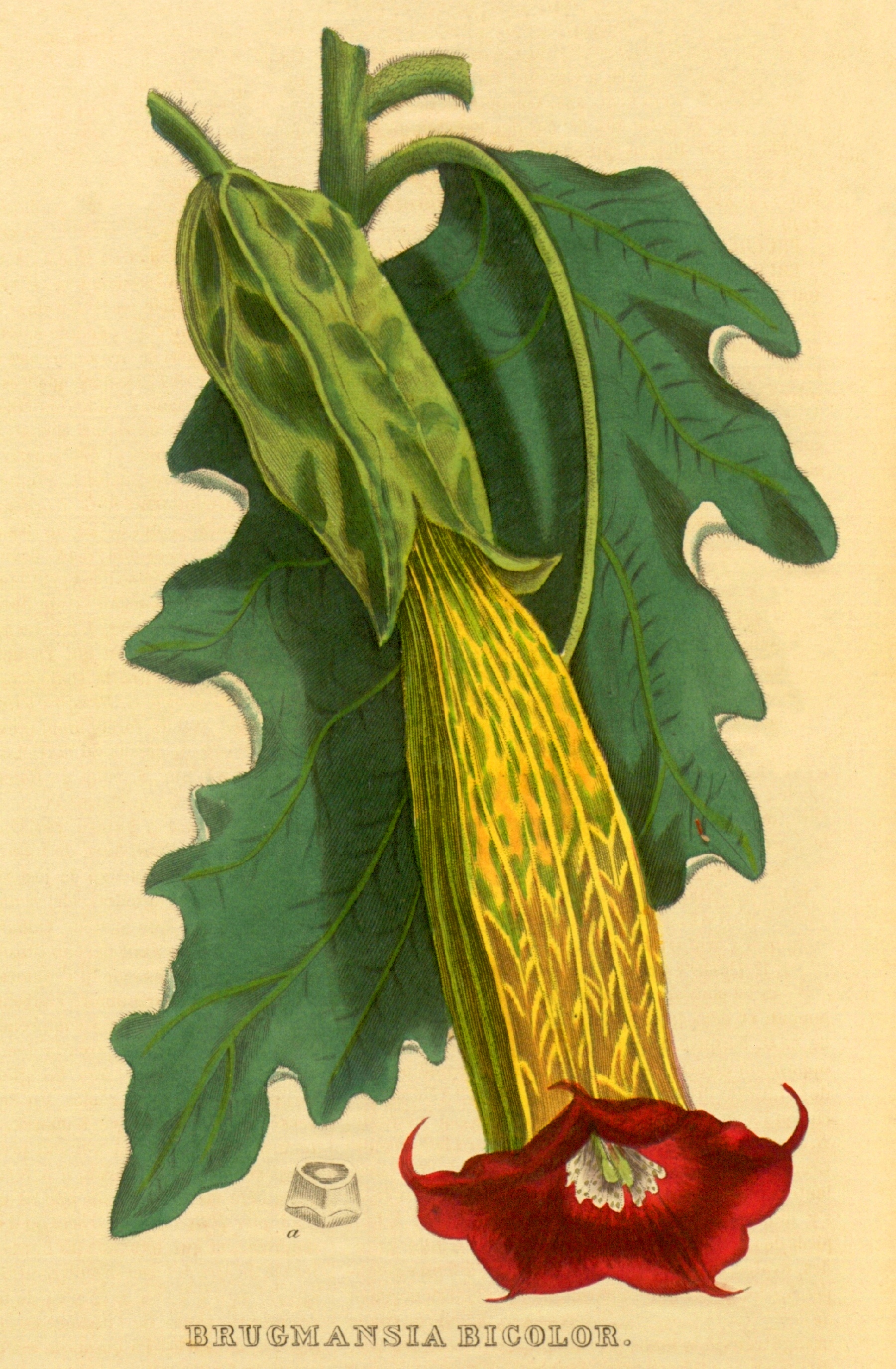
Angel's Trumpet
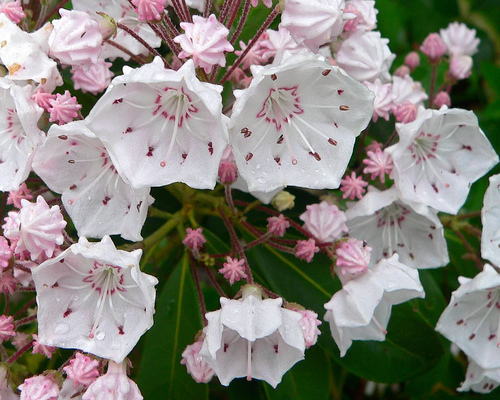
Mountain Laurel

Cardboard Palm

Stinging Nettle

Kangaroo Fern
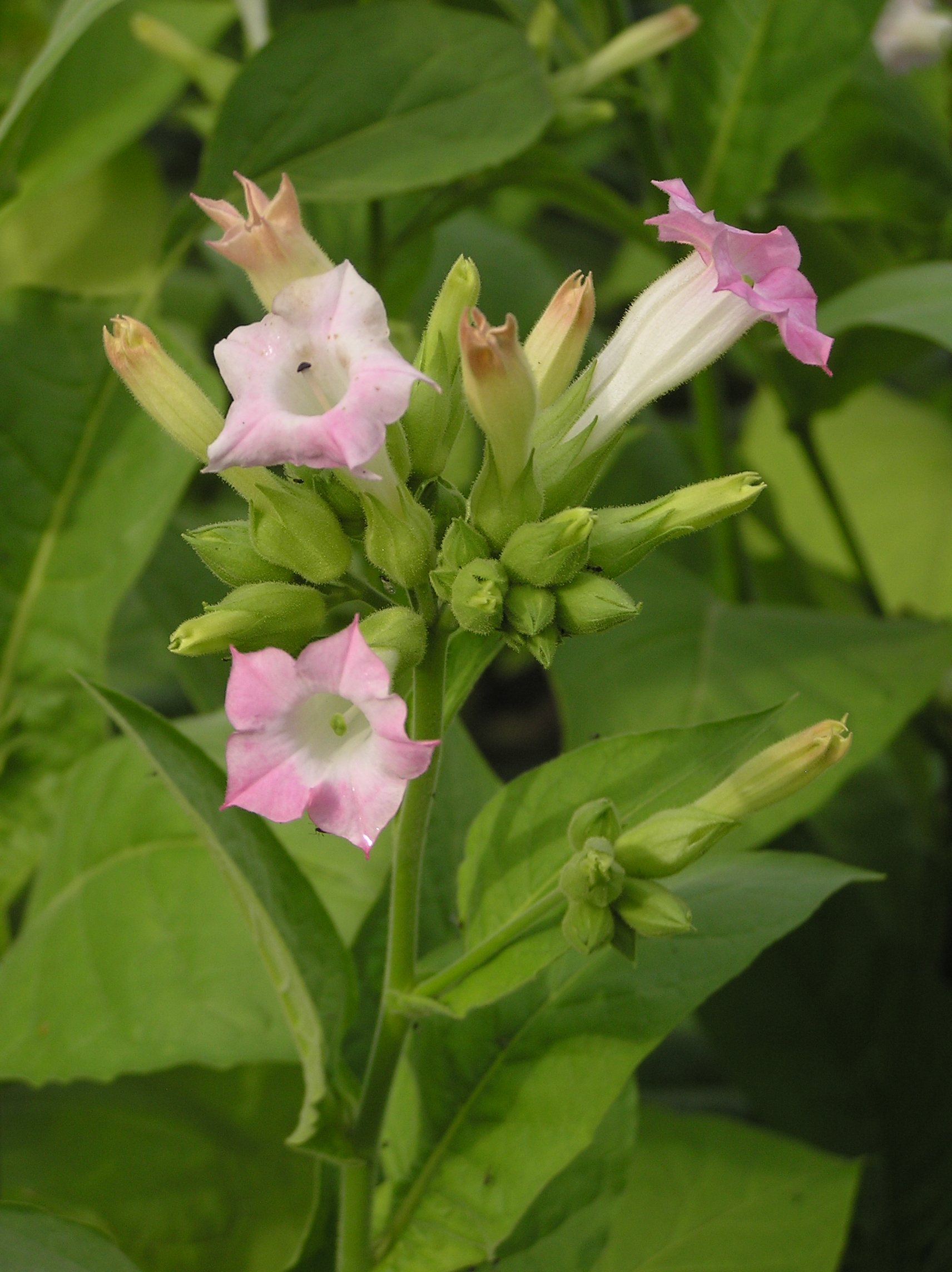
Tobacco Plant
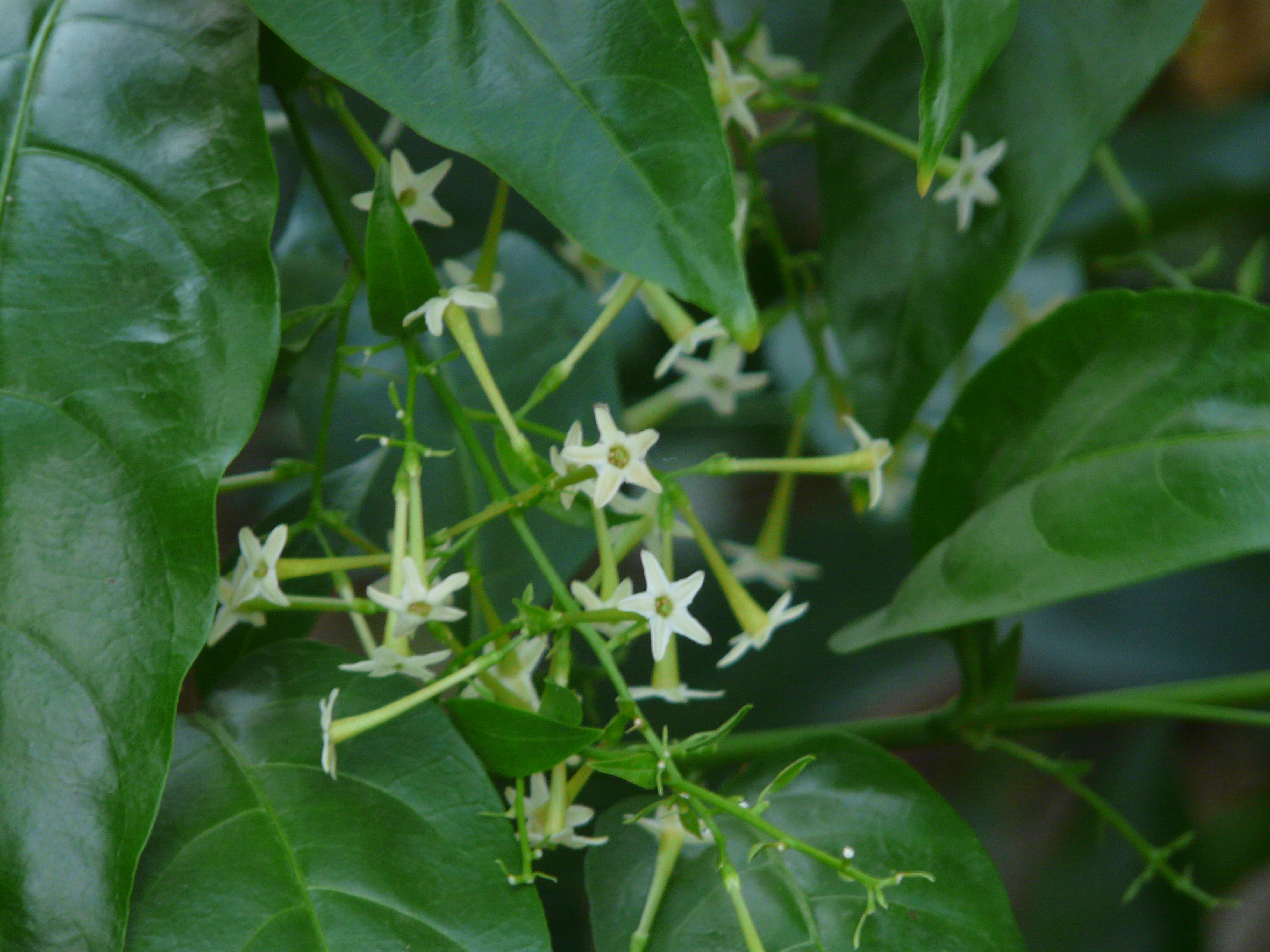
Night-Blooming Jessamine

Castor Bean
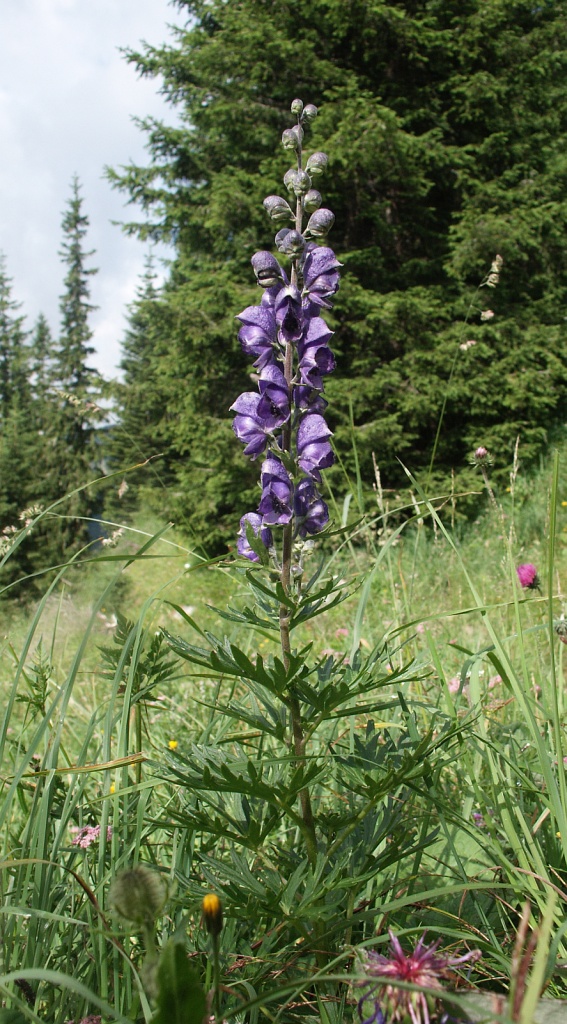
Aconite
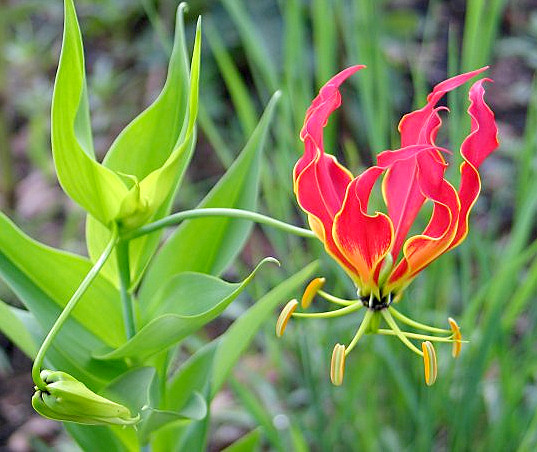
Glory Lily

Yesterday-Today-Tomorrow

Deadly Nightshade

Mexican Cycad
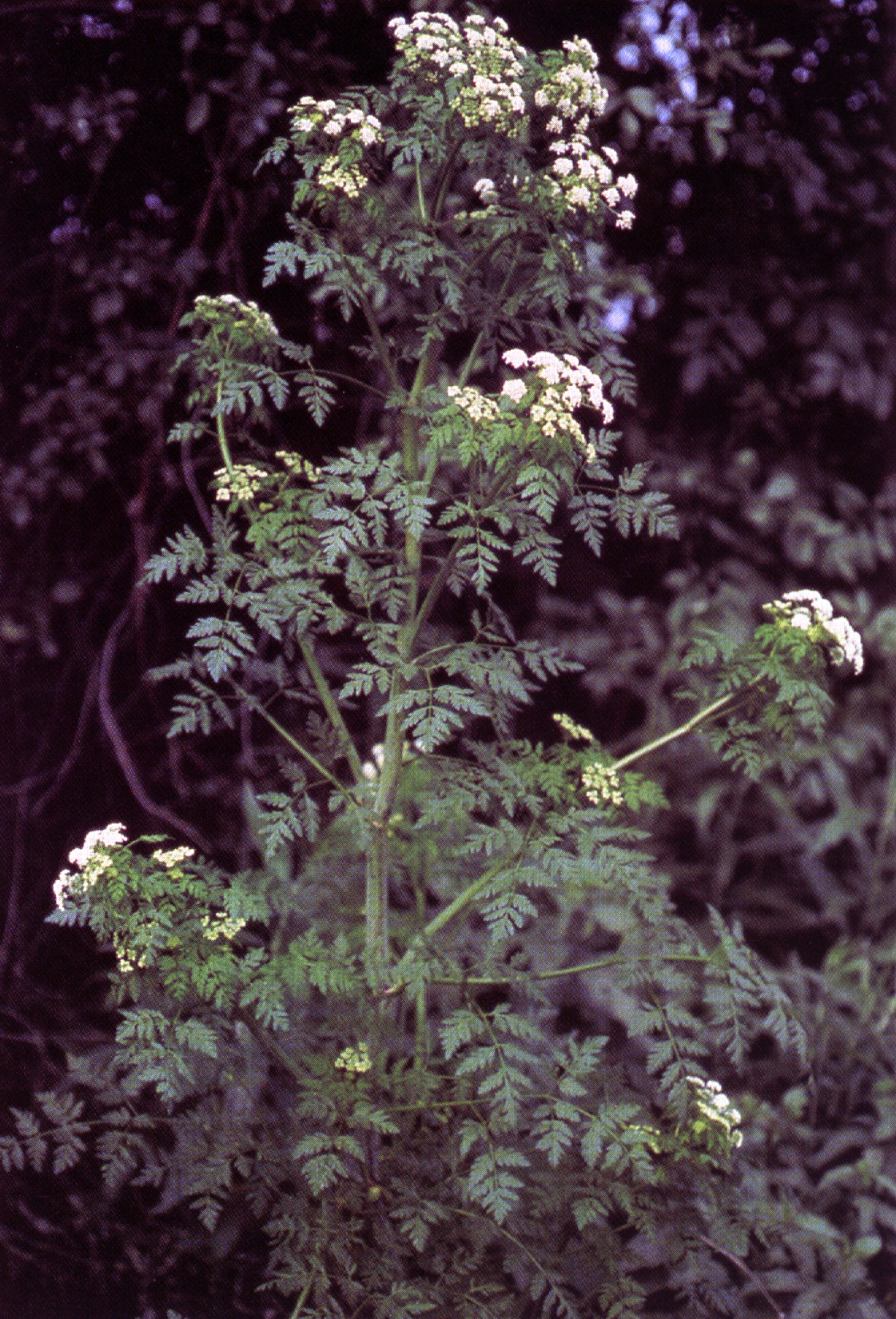
Poison Hemlock

Corn Lily
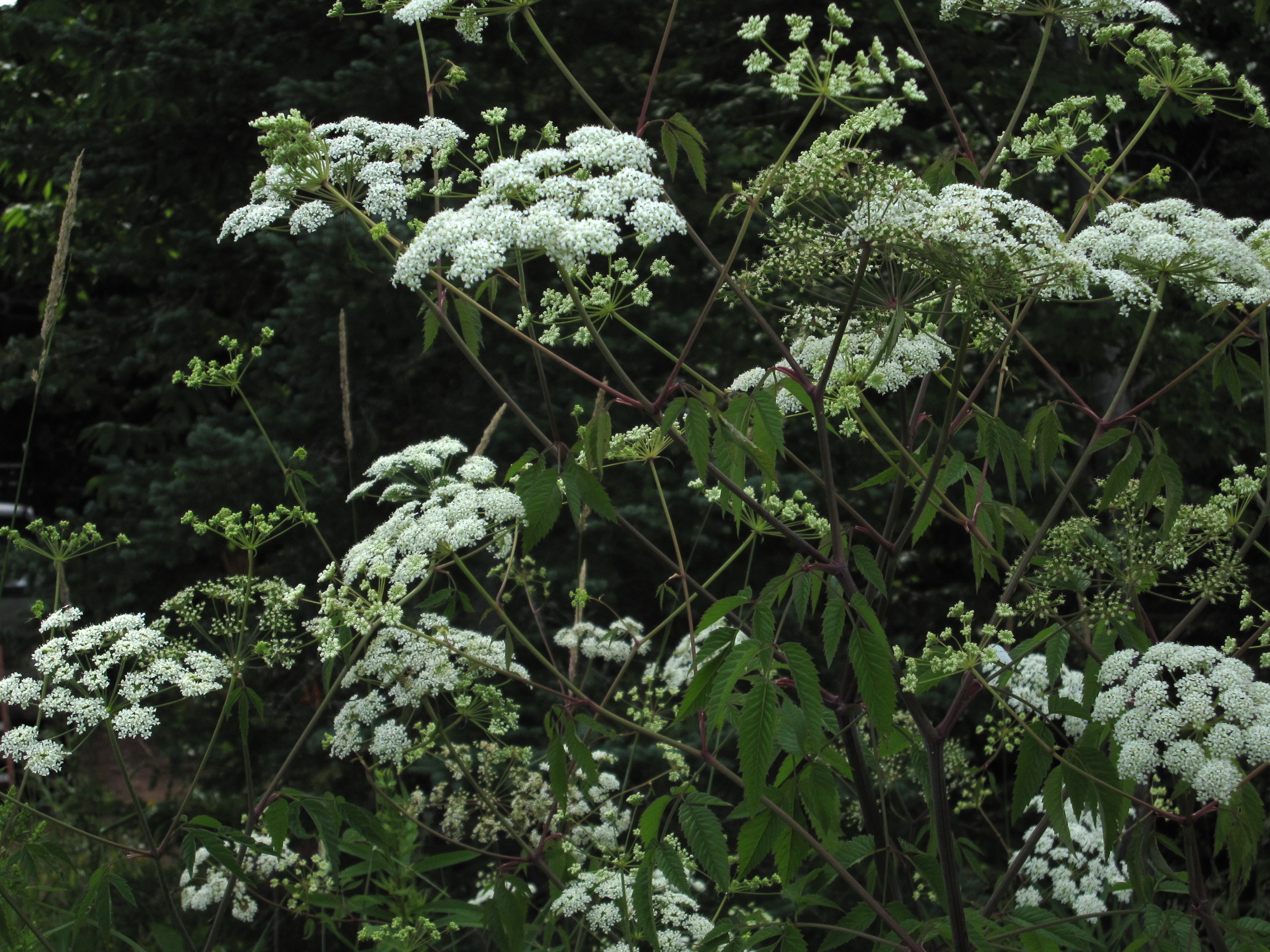
Water Hemlock
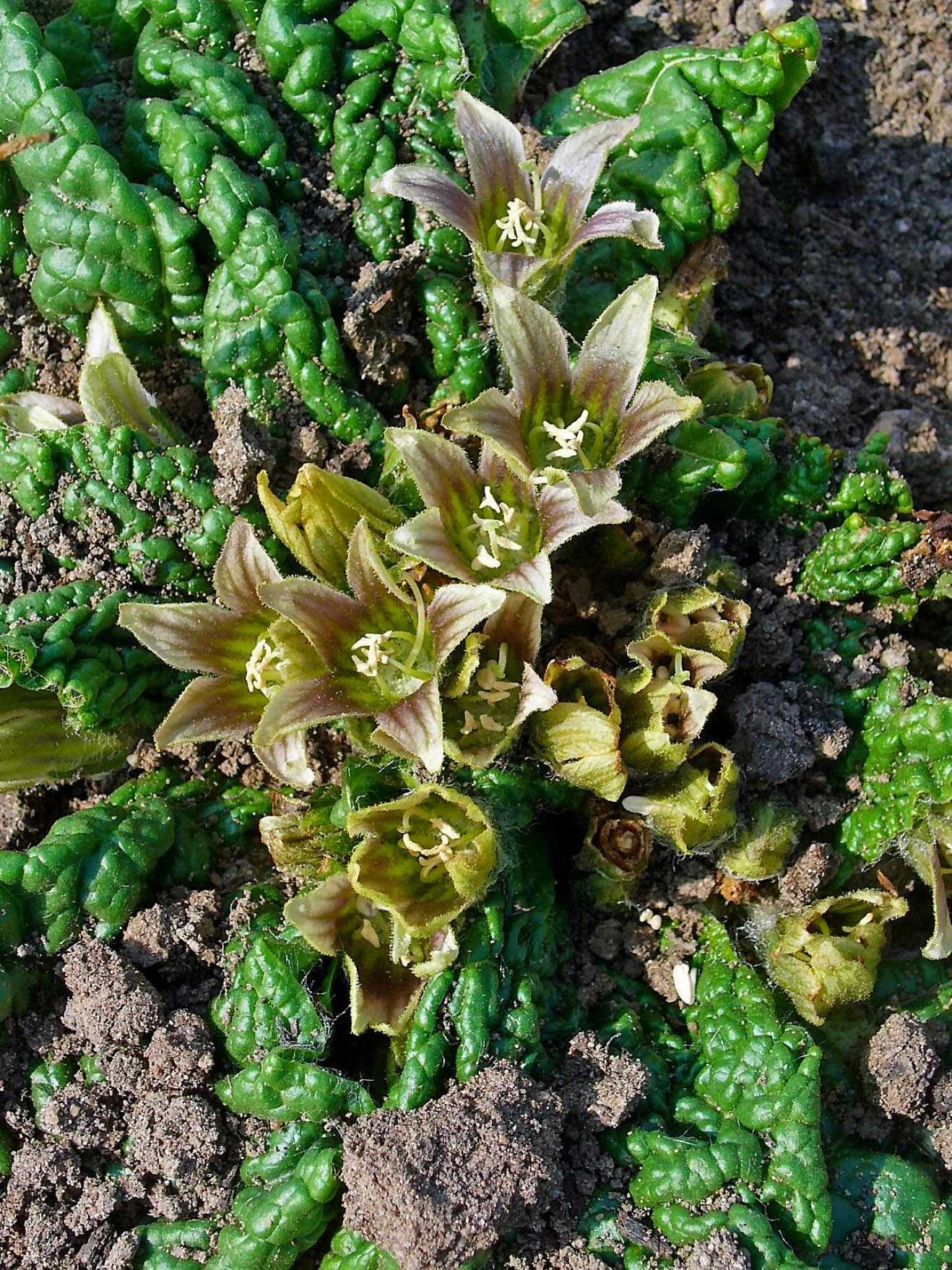
Mandrake
Plants that can kill
Full emergency guide →These common plants can be fatal to dogs or cats, even in small amounts. If your pet ingests any of these, do not wait for symptoms — call poison control immediately.
Common questions
What should I do if my pet eats a toxic plant?
Remove remaining plant material from their mouth. Do not induce vomiting unless a vet tells you to. Call your vet or ASPCA Poison Control at (888) 426-4435 immediately. Take a photo of the plant for identification.
Can a plant be safe for dogs but toxic to cats?
Yes. True Lilies (Lilium species) are extremely toxic to cats — causing fatal kidney failure — but only cause mild stomach upset in dogs. This database shows toxicity levels separately for each species.
Where does this data come from?
All toxicity data is cross-referenced from the ASPCA Animal Poison Control Center, Pet Poison Helpline, Veterinary Information Network (VIN), and the Merck Veterinary Manual. We update monthly and note review dates on each plant page.
What are the safest houseplants for pet owners?
Boston Ferns, Spider Plants, Calathea, Parlor Palms, African Violets, Peperomia, and Orchids are all verified non-toxic. See our full safe plants list.